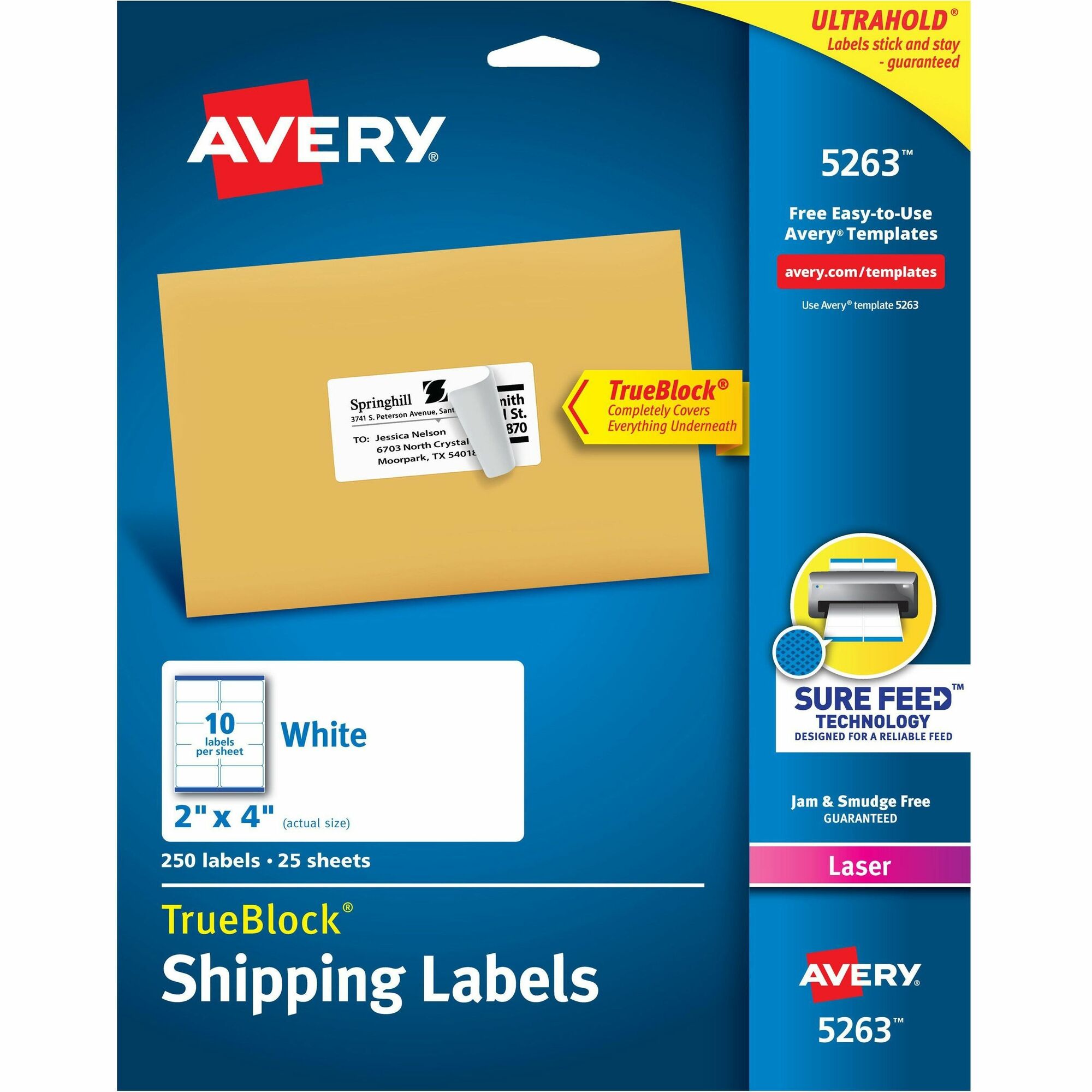
The world of printing and label design can seem complex, with countless options and confusing terminology. One of the most frequently asked questions revolves around label sizes and formats – specifically, the 33 Labels Per Sheet Template. This article aims to demystify this standard, providing a clear understanding of what it is, why it's important, and how to effectively utilize it across various printing and production needs. We'll explore the benefits, different variations, and practical considerations for choosing the right template for your project. Understanding the nuances of this template is crucial for achieving consistent, high-quality results. Let's dive in.
Why the 33 Labels Per Sheet Template Matters
The rise of digital printing has dramatically shifted the landscape of label production. Traditional methods, relying on sheet sizes and quantities, are becoming increasingly inefficient and costly. The 33 Labels Per Sheet Template offers a streamlined solution, providing a standardized approach that significantly reduces waste, improves accuracy, and enhances overall project management. It's more than just a size; it's a foundational element for creating professional-looking labels that meet specific requirements. The benefits extend beyond just aesthetics; they directly impact profitability and operational efficiency. Choosing the right template is a strategic investment.
Understanding the Core Components of the 33 Labels Per Sheet Template
At its heart, the 33 Labels Per Sheet Template represents a specific arrangement of labels, typically designed for a particular type of printing process. It's not a one-size-fits-all solution; variations exist based on the printing method, label material, and desired finish. The core components usually include:
- Label Width: The width of the label itself, measured in millimeters (mm).
- Label Height: The height of the label, measured in millimeters (mm).
- Label Count: The number of labels per sheet, which is the key defining factor of the template.
- Label Type: This refers to the type of adhesive used, such as water-activated, solvent-activated, or heat-activated. Different adhesive types impact the label's durability and performance.
- Label Material: The material the label is made from – typically polypropylene (PP) for durability and cost-effectiveness, or other materials like polyethylene (PE) for specific applications.
- Finish: The surface treatment applied to the label, influencing its appearance and resistance to abrasion. Common finishes include matte, gloss, and spot UV.
Benefits of Utilizing the 33 Labels Per Sheet Template
The adoption of the 33 Labels Per Sheet Template offers a multitude of advantages for businesses and individuals alike. Here's a breakdown of the key benefits:
- Reduced Waste: By accurately calculating the number of labels needed, you minimize wasted materials, contributing to cost savings and environmental responsibility.
- Improved Accuracy: Standardization ensures consistent label placement and reduces errors, leading to higher quality products.
- Streamlined Production: Simplified calculations and pre-defined quantities streamline the production process, reducing setup time and labor costs.
- Enhanced Efficiency: Faster label production translates to quicker turnaround times and increased responsiveness to customer demands.
- Cost-Effectiveness: Reduced waste and streamlined production contribute to a more profitable operation.
- Consistent Branding: Using the same template across multiple projects ensures a cohesive and professional brand image.
Section 1: The Importance of Label Size and Quantity
The 33 Labels Per Sheet Template is more than just a number; it's a critical factor in determining the overall cost and efficiency of your label production. The quantity of labels per sheet directly impacts the number of sheets required, which, in turn, affects the cost per label. Understanding this relationship is essential for accurate budgeting and pricing. A larger sheet size, while potentially offering more space for information, will naturally require a higher quantity of labels. Conversely, a smaller sheet size can be more economical, but may necessitate a larger quantity to achieve the desired coverage. Careful consideration of these factors is vital for optimizing your label production process.
Section 2: Variations and Customization Options
While the core 33 Labels Per Sheet Template remains consistent, variations exist to cater to specific needs and applications. These variations often involve adjustments to the label width, height, and count. For example, some templates are designed for single-sided labels, while others are optimized for double-sided printing. Furthermore, some templates incorporate features like:
- Orientation: The direction in which the labels are oriented (e.g., vertical, horizontal).
- Label Type Specificity: Different templates cater to specific label materials, such as polypropylene (PP) or polyethylene (PE).
- Finish Options: Some templates allow for the addition of a specific finish, such as a glossy or spot UV coating.
Section 3: Choosing the Right Template for Your Project
Selecting the appropriate 33 Labels Per Sheet Template is a crucial step in ensuring a successful project. Here's a breakdown of factors to consider:
- Printing Method: The type of printing process you'll be using (e.g., flexographic, offset, digital) will influence the optimal template.
- Label Material: The material of the label will impact the adhesive requirements and the overall durability.
- Desired Finish: The desired finish (e.g., matte, gloss, spot UV) will dictate the required label material and surface treatment.
- Production Volume: The anticipated volume of labels will influence the cost-effectiveness of the template.
- Budget: The budget allocated for label production will impact the choice of template and any necessary customization.
Section 4: Best Practices for Utilizing the Template
To maximize the benefits of the 33 Labels Per Sheet Template, it's essential to follow best practices:
- Accurate Calculation: Double-check all calculations to ensure accurate quantity estimates.
- Material Compatibility: Verify that the chosen label material is compatible with the template.
- Proper Label Placement: Ensure that labels are placed correctly and consistently to maintain brand uniformity.
- Quality Control: Implement quality control measures to identify and address any discrepancies.
Section 5: The Future of Labeling – Trends and Innovations
The labeling industry is constantly evolving, with new trends and innovations emerging. Some notable developments include:
- Digital Label Printing: The increasing adoption of digital label printing technologies is reducing the need for sheet-fed label production.
- Sustainable Labeling: There's a growing demand for eco-friendly labels made from recycled materials.
- Smart Labels: Labels incorporating embedded sensors and data capabilities are becoming increasingly popular.
- Customizable Labels: The ability to customize labels with branding and product information is expanding.
Conclusion
The 33 Labels Per Sheet Template remains a cornerstone of efficient and effective label production. By understanding its core components, benefits, and variations, businesses can leverage this standard to reduce waste, improve accuracy, and streamline their operations. As the labeling industry continues to evolve, staying informed about emerging trends and best practices is essential for maintaining a competitive edge. Ultimately, choosing the right template is an investment that pays dividends in terms of cost savings, improved quality, and enhanced brand consistency. Don't underestimate the power of a well-chosen template – it's a critical element for success in today's dynamic printing landscape.
0 Response to "33 Labels Per Sheet Template"
Posting Komentar