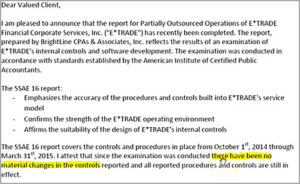
The Ssae 16 Report Template is more than just a document; it’s a strategic tool designed to streamline the process of analyzing and reporting on the performance of your Ssae 16 system. This template provides a structured framework for capturing key metrics, identifying trends, and communicating insights effectively. In today’s data-driven environment, understanding the effectiveness of your Ssae 16 implementation is crucial for optimizing performance and achieving your business goals. This guide will walk you through each section of the template, ensuring you can effectively utilize it to generate valuable reports. The core purpose of this template is to facilitate clear and concise reporting, enabling informed decision-making across various departments. Let's delve into how to build a robust Ssae 16 Report Template that delivers real results.
Understanding the Importance of Ssae 16 Reporting
Before we dive into the specifics of the template, it’s important to understand why this report is so valuable. Ssae 16, representing a significant investment in your operational infrastructure, generates a wealth of data. Without proper analysis, you risk missing critical insights into system performance, user behavior, and overall efficiency. A well-crafted Ssae 16 Report Template allows you to move beyond simply collecting data and instead, to interpret it, translating raw numbers into actionable strategies. It’s about transforming data into knowledge, empowering your teams to proactively address challenges and capitalize on opportunities. The ability to quickly and accurately assess performance is paramount for sustained success. Furthermore, the template facilitates compliance with industry regulations and internal standards, demonstrating a commitment to transparency and accountability.
Section 1: Executive Summary
The Executive Summary is the first section of your Ssae 16 Report and should be concise, highlighting the most important findings. It’s designed to provide a high-level overview for senior management and stakeholders. This section typically includes:
- Key Performance Indicators (KPIs): A summary of the most critical metrics, such as uptime, response time, error rates, and user satisfaction.
- Overall Performance Assessment: A brief statement of the system’s overall health and performance.
- Significant Trends: Identification of any noteworthy trends or patterns observed in the data.
- Recommendations: A concise list of actionable recommendations based on the findings.
Analyzing System Performance
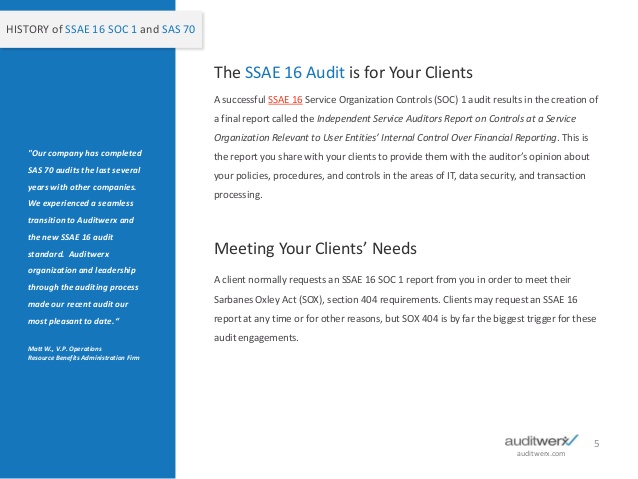
A thorough examination of the system’s performance is the foundation of any effective Ssae 16 Report. This section focuses on analyzing key metrics related to response time, throughput, and resource utilization. Specifically, we’ll look at:
- Average Response Time: This metric measures the average time taken for the system to respond to user requests. A consistently high average response time indicates potential bottlenecks or performance issues.
- Throughput: This measures the number of transactions or requests processed per unit of time. Increasing throughput is crucial for handling growing user demand.
- Error Rates: Tracking the frequency of errors and exceptions is vital for identifying and addressing potential problems. High error rates can negatively impact user experience and system stability.
- Resource Utilization: Monitoring CPU, memory, and disk usage helps identify potential resource constraints and optimize system configuration.
Section 2: User Behavior Analysis
This section delves into how users are interacting with the Ssae 16 system. Understanding user behavior is critical for optimizing the system’s usability and effectiveness. Key elements include:
User Login & Authentication
- Login Success Rate: The percentage of successful login attempts. A low success rate may indicate security vulnerabilities or usability issues.
- Authentication Method Usage: Analyzing the types of authentication methods being used (e.g., username/password, multi-factor authentication) can reveal user preferences and potential security risks.
- Login Time: The average time taken to log in. Long login times can frustrate users and reduce productivity.
Common User Flows
- Task Completion Rate: Tracking the percentage of users who successfully complete specific tasks within the system. This provides insights into the system’s usability and the effectiveness of workflows.
- Navigation Patterns: Analyzing how users navigate through the system. Identifying common paths and areas of confusion can inform design improvements.
- Feature Usage: Monitoring which features are being used most frequently. This helps prioritize development efforts and identify opportunities to enhance user experience.
Section 3: System Health & Maintenance
This section focuses on the overall health and stability of the Ssae 16 system. It’s a critical area for proactive monitoring and issue resolution.
Alerting System Performance
- Alert Frequency: Tracking the number of alerts generated by the alerting system. A high alert frequency may indicate a need for improved monitoring or configuration.
- Alert Resolution Time: The average time taken to resolve alerts. A slow resolution time can impact user experience.
- Alert Accuracy: Assessing the accuracy of alerts. False positives can lead to unnecessary interventions and wasted resources.
Log Analysis
- Error Logs: Analyzing error logs to identify the root causes of system failures.
- System Logs: Examining system logs for any unusual activity or potential security threats.
- Performance Logs: Reviewing performance logs to identify bottlenecks and areas for optimization.
Section 4: Trend Analysis & Forecasting
This section provides a historical perspective on system performance, allowing for trend analysis and forecasting.
Monthly/Quarterly Performance Trends
- KPI Trends: Tracking key performance indicators over time to identify trends and patterns.
- Anomaly Detection: Identifying any significant deviations from expected performance.
- Seasonality Analysis: Analyzing whether performance varies by time of year.
Predictive Modeling (Optional)
- Forecasting: Using historical data to forecast future performance. This can help with proactive planning and resource allocation.
Section 5: Recommendations & Actionable Insights
The final section of the report is dedicated to providing actionable recommendations based on the findings. This section should be clear, concise, and prioritized.
Prioritized Recommendations
- Address Top Issues: Focus on addressing the issues that have the greatest impact on system performance.
- Optimize User Experience: Implement changes to improve the usability of the system.
- Improve System Configuration: Adjust system configuration to optimize performance.
- Enhance Monitoring: Implement more robust monitoring and alerting capabilities.
Next Steps
- Data Visualization: Utilize charts and graphs to effectively communicate data insights.
- Regular Reporting: Establish a regular reporting schedule to ensure timely and accurate information.
- Continuous Improvement: Use the insights gained from the report to continuously improve the Ssae 16 system.
Conclusion
The Ssae 16 Report Template is a powerful tool for understanding and optimizing your Ssae 16 system. By systematically analyzing key metrics, identifying trends, and providing actionable recommendations, you can ensure that your system is performing at its best, delivering value to your business. Remember that the template is a starting point – adapt it to your specific needs and continuously refine it to meet your evolving requirements. Ultimately, a well-executed Ssae 16 Report Template is an investment in your organization's success. The core principle is to translate data into strategic insights that drive informed decision-making and optimize operational efficiency. The Ssae 16 Report Template is a cornerstone of this process.
0 Response to "Ssae 16 Report Template"
Posting Komentar