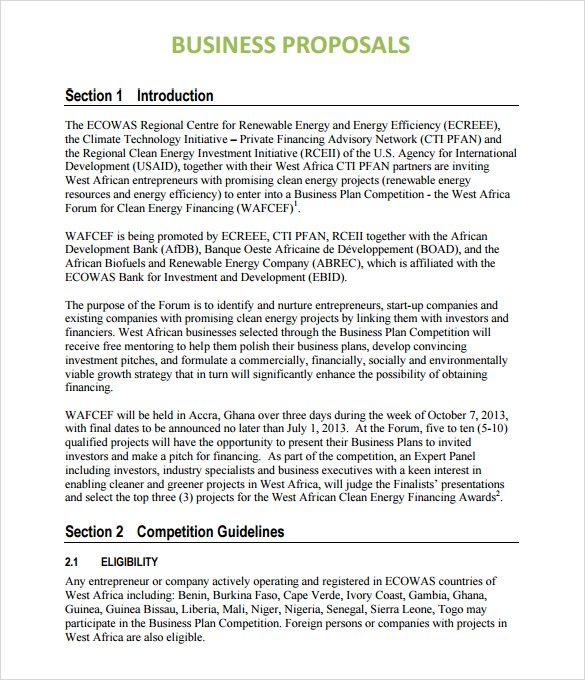
Crafting a compelling business proposal is more than just presenting information; it’s about building a relationship, demonstrating your understanding of a client’s needs, and securing the opportunity to collaborate. A well-structured proposal is the cornerstone of any successful business endeavor. This guide will walk you through the essential steps and elements of creating a professional and persuasive business proposal template. How To Write A Business Proposal Template is a critical skill for entrepreneurs, consultants, and businesses seeking new clients or partnerships. It’s an investment in your future success.
The Importance of a Strong Proposal
In today’s competitive market, a strong proposal is often the deciding factor between a potential client and a competitor. It’s your chance to showcase your expertise, demonstrate your understanding of the client’s challenges, and outline a clear path forward. A poorly written proposal can be a significant waste of time and resources. Conversely, a well-crafted proposal can significantly increase your chances of winning the deal. It’s a tangible representation of your value proposition.
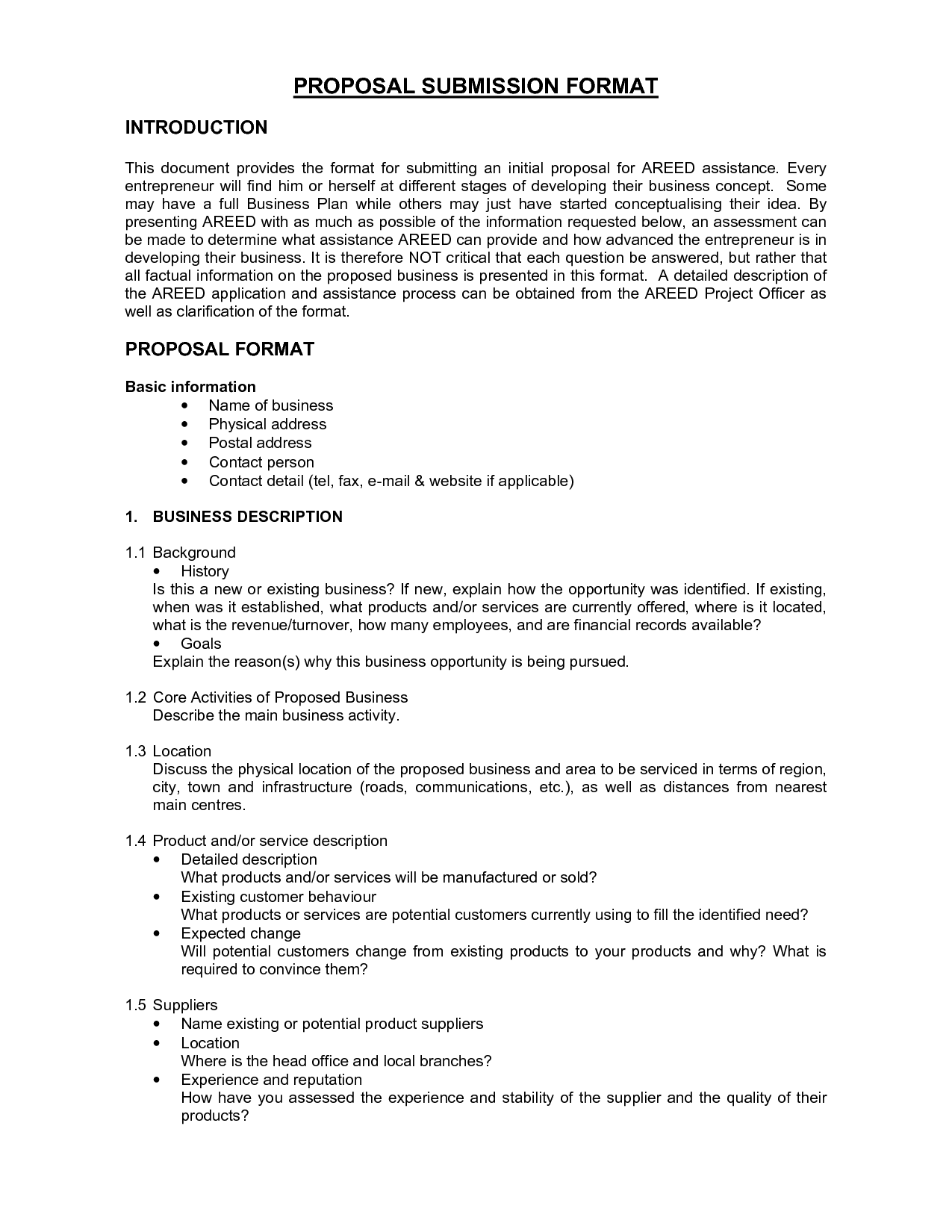
Step 1: Understanding Your Client’s Needs
Before you even begin drafting, it’s crucial to thoroughly understand the client’s needs and objectives. This involves more than just asking questions; it’s about actively listening and observing. Conducting preliminary research, reviewing their existing documentation, and engaging in initial conversations are all vital steps. Ask probing questions to uncover the core issues they’re trying to solve. What are their pain points? What are their goals? What’s their budget? Understanding these details will inform every aspect of your proposal. How To Write A Business Proposal Template requires a deep dive into the client’s perspective.

Step 2: Structuring Your Proposal – The Core Components
A typical business proposal follows a logical structure, ensuring clarity and ease of understanding. Here’s a breakdown of the key sections:
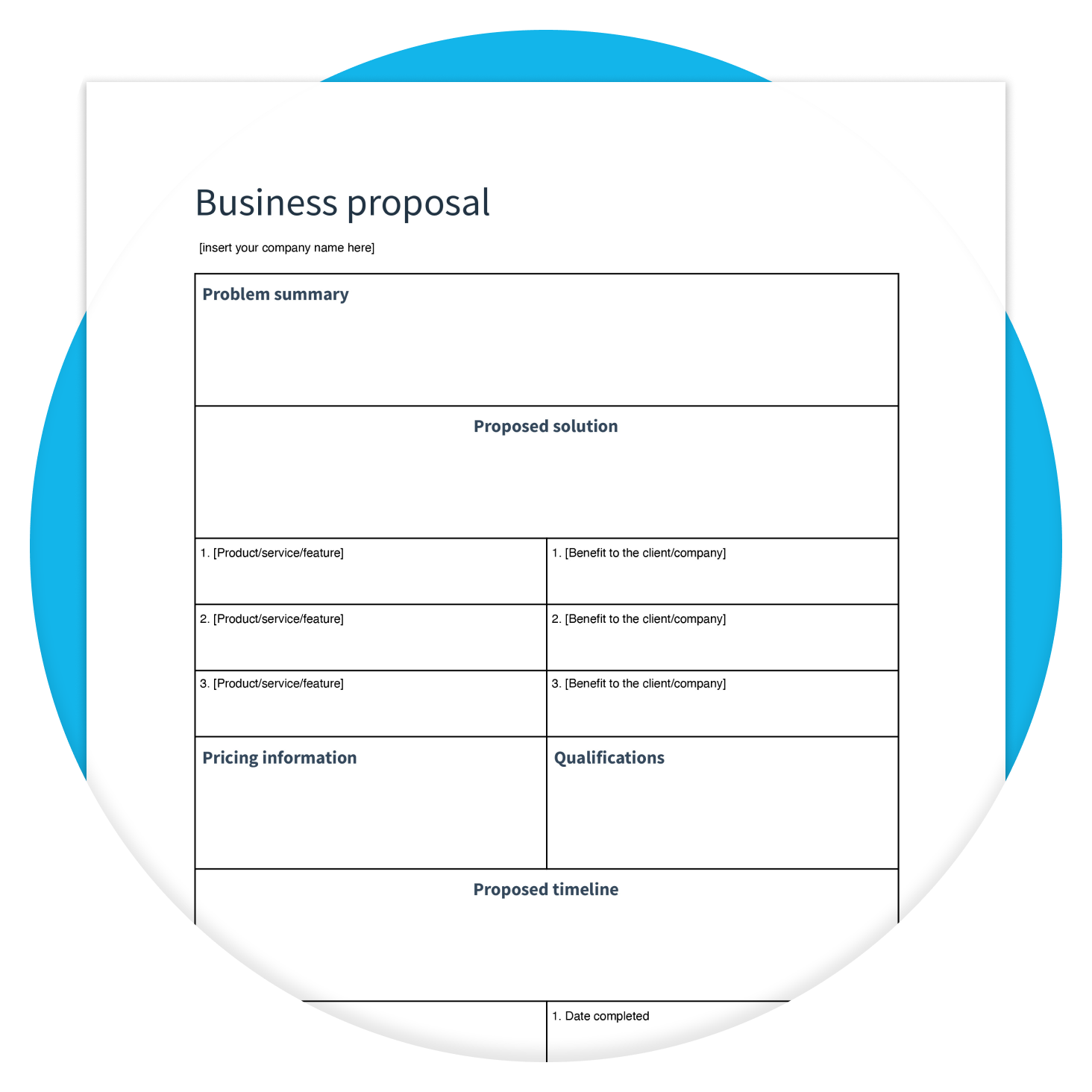
- Executive Summary: This is the most important section – it’s a concise overview of the entire proposal. It should highlight the key benefits, the proposed solution, and the overall value you offer. Write this last, after you’ve completed the rest of the proposal.
- Problem Statement: Clearly articulate the problem the client is facing. Demonstrate that you understand their challenges and the impact they’re having. Provide supporting data and evidence to illustrate the severity of the issue.
- Proposed Solution: This is where you introduce your proposed solution. Explain how your services or product will address the client’s problem and achieve their goals. Be specific and detailed.
- Detailed Description of Services/Product: Provide a comprehensive overview of what you’re offering. Include features, benefits, and how they align with the client’s needs. Use visuals (diagrams, charts, screenshots) where appropriate.
- Implementation Plan: Outline the steps involved in implementing your solution. Include timelines, milestones, and responsibilities. This demonstrates your planning and ability to execute.
- Pricing and Payment Terms: Clearly state your pricing structure and payment terms. Be transparent and competitive.
- Terms and Conditions: Include any relevant terms and conditions, such as confidentiality agreements or warranties.
- Call to Action: Clearly state what you want the client to do next – schedule a meeting, sign a contract, or approve your proposal.
Step 3: Writing Effective Content – Key Considerations
- Professional Tone: Maintain a professional and courteous tone throughout the proposal.
- Clear and Concise Language: Avoid jargon and technical terms that the client may not understand. Use simple, straightforward language.
- Quantifiable Results: Whenever possible, quantify the benefits of your solution. Use numbers, statistics, and case studies to demonstrate your value.
- Tailor to the Client: Customize your proposal to the specific client and their needs. Avoid generic templates.
- Visual Appeal: Use headings, subheadings, bullet points, and visuals to make your proposal easy to read and visually engaging.
Step 4: Using Templates – A Starting Point
While it’s important to create a unique proposal, using a template can provide a solid foundation. Many free and paid business proposal templates are available online. However, remember to customize the template to fit your specific needs and client. Don’t just copy and paste; adapt the template to reflect your unique approach. How To Write A Business Proposal Template is a useful tool, but it’s a starting point, not a finished product.

Step 5: Review and Proofread – The Final Step
Before submitting your proposal, carefully review it for any errors in grammar, spelling, and punctuation. Ask a colleague to proofread it as well. A polished and error-free proposal demonstrates your attention to detail and professionalism. How To Write A Business Proposal Template is only as good as the work you put into it.

Conclusion
Creating a successful business proposal is a crucial element of any business strategy. By following these steps and focusing on understanding your client’s needs, presenting a clear and compelling solution, and maintaining a professional tone, you can significantly increase your chances of securing the opportunity to collaborate. Remember that a well-crafted proposal is more than just a document; it’s a reflection of your expertise and a demonstration of your value. Investing the time and effort to create a strong proposal will undoubtedly pay dividends in the long run. How To Write A Business Proposal Template is a continuous process of refinement and improvement.

Conclusion
Crafting a business proposal is a strategic undertaking that demands careful planning, meticulous execution, and a deep understanding of your client’s requirements. By adhering to the outlined steps and principles, you can transform a potentially daunting task into a powerful tool for achieving your business objectives. The key to success lies in demonstrating your expertise, building trust, and presenting a solution that genuinely addresses the client’s needs. Continuous refinement and adaptation based on feedback are also essential for maintaining a high-performing proposal strategy. Ultimately, a well-executed proposal is a testament to your professionalism and a key driver of business growth.

0 Response to "How To Write A Business Proposal Template"
Posting Komentar