The world of small business is brimming with opportunity, but navigating the complexities of launching a successful venture requires more than just a great idea. A well-structured business plan is your roadmap to success, providing a clear vision, strategic approach, and a framework for achieving your goals. For entrepreneurs seeking to establish a thriving boutique business, a comprehensive business plan is absolutely essential. This article will delve into the key components of a boutique business plan template, offering practical guidance and insights to help you create a document that truly reflects your unique business. Boutique Business Plan Template is more than just a document; it's an investment in your future. Let's explore how to build one that will propel your boutique business forward.
Understanding the Core Components of a Boutique Business Plan
A boutique business plan isn't a one-size-fits-all template. It's a tailored document that adapts to the specific needs and dynamics of your boutique. It's a living document, meant to be reviewed and updated regularly as your business evolves. The key elements typically include:
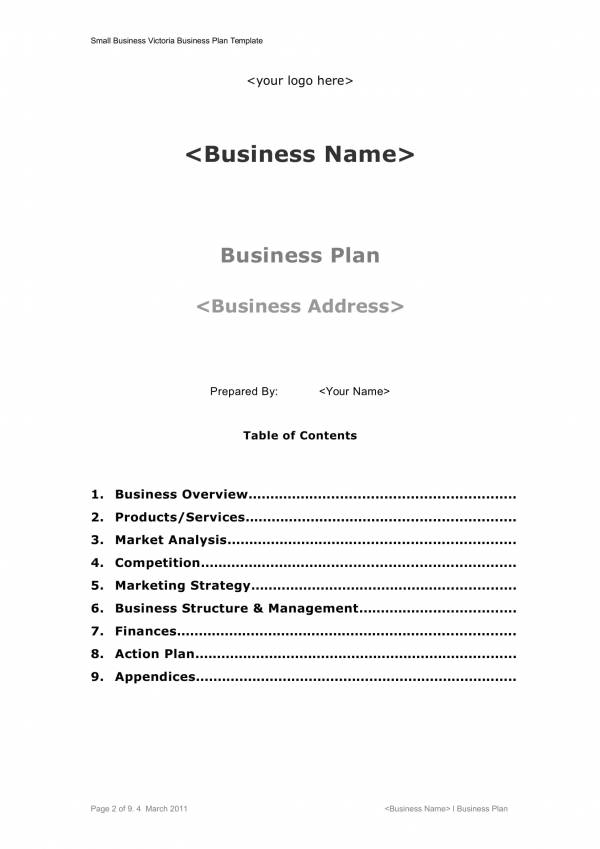
- Executive Summary: This is the first section and should be a concise overview of your entire business plan. It should grab the reader's attention and highlight the most important aspects of your venture.
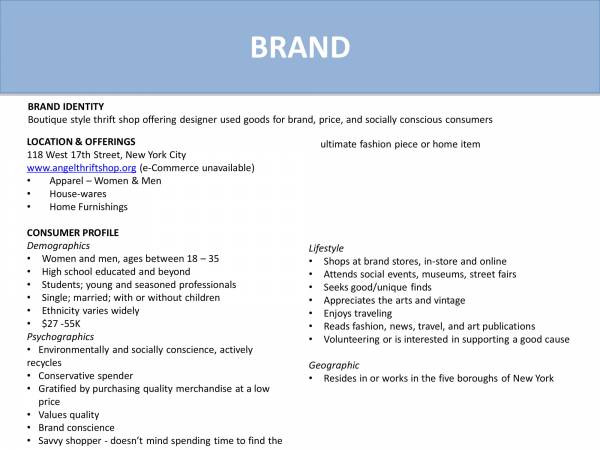
- Company Description: Clearly define your boutique's niche, brand identity, and unique selling proposition (USP). What makes your boutique different from the competition? What specific customer segment will you target?
- Market Analysis: Demonstrate a thorough understanding of your target market. Research your industry, identify your competitors, and analyze market trends. This section should show you who your customers are, what they want, and how you'll capture their attention.
- Products and Services: Detail the specific products or services you offer. Explain their features, benefits, and pricing strategy. Highlight any unique aspects or customization options.
- Marketing and Sales Strategy: Outline how you will reach your target market and generate sales. This includes your marketing channels (social media, email marketing, local advertising, etc.), sales process, and customer service strategy.
- Management Team: Introduce the key personnel involved in your business and highlight their relevant experience and expertise. If you're a solo entrepreneur, clearly state your qualifications and any gaps you're addressing.
- Financial Projections: This is a critical section for securing funding or understanding the financial viability of your business. Include projected income statements, balance sheets, and cash flow statements for at least three to five years.
- Funding Request (if applicable): If you're seeking funding, clearly state the amount of funding you need and how you plan to use it.
Building Your Boutique Business Plan: Detailed Sections
Let's examine each of these sections in more detail, incorporating the keyword Boutique Business Plan Template throughout.
1. Executive Summary – Capturing the Essence
The executive summary is your opportunity to make a strong first impression. It should be approximately 1-2 pages long and concisely summarize your entire business plan. It's written last after you've completed the rest of the plan. Here's a suggested structure:
- Briefly describe your boutique's concept. (e.g., "The [Boutique Name] will offer curated vintage clothing and accessories for young professionals in downtown Seattle.")
- State your mission statement. (e.g., "To provide a unique and stylish shopping experience for individuals seeking timeless pieces and exceptional service.")
- Highlight your target market. (e.g., "Our primary target market is women aged 25-45, with a focus on those who appreciate sustainable fashion and value quality over quantity.")
- Summarize your key marketing strategies. (e.g., "We will utilize Instagram marketing, email marketing, and local partnerships to reach our target audience.")
- State your financial projections – a brief overview of projected revenue and profitability. (e.g., "We project to achieve $X in revenue within the first year, with a net profit margin of Y%.")
This section must effectively incorporate the keyword Boutique Business Plan Template to demonstrate your understanding of the core elements.
2. Company Description – Defining Your Boutique
This section provides a detailed overview of your boutique's identity. It's crucial to clearly articulate what makes your boutique unique.
- Legal Structure: Specify your business structure (sole proprietorship, partnership, LLC, etc.).
- Brand Story: Share the story behind your boutique – why did you start it? What's your brand's personality and values?
- Mission Statement (Expanded): Elaborate on your mission statement, explaining how it aligns with your overall business goals.
- Unique Selling Proposition (USP): Clearly define what sets your boutique apart from competitors. Is it your curated selection, personalized service, sustainable practices, or something else? This is a key element to emphasize.
- Location (if applicable): Describe your physical location and its strategic advantages.
3. Market Analysis – Understanding Your Customer
A deep dive into your target market is vital. Don't just say "we'll sell clothes"; explain who you're selling to, why they'll buy, and how you'll reach them.
- Target Market Demographics: Describe your ideal customer – age, gender, income, lifestyle, interests, etc.
- Market Size and Trends: Research the size of your target market and identify current trends in the industry. Are there growing trends you can capitalize on?
- Competitive Analysis: Identify your key competitors and analyze their strengths and weaknesses. How will you differentiate yourself?
- SWOT Analysis: Conduct a SWOT (Strengths, Weaknesses, Opportunities, Threats) analysis to assess your boutique's position in the market.
4. Products and Services – The Heart of Your Boutique
This section focuses on the specific offerings you'll provide.
- Detailed Product/Service Descriptions: Provide comprehensive descriptions of each product or service.
- Pricing Strategy: Explain how you'll determine your pricing – cost-plus, value-based, competitive pricing, etc.
- Sourcing and Production (if applicable): Describe your sourcing process and how you'll ensure quality and consistency.
- Inventory Management: Outline your system for managing inventory and minimizing waste.
5. Marketing and Sales Strategy – Reaching Your Customers
This section details how you'll attract and retain customers.
- Marketing Channels: Specify the marketing channels you'll use (social media, email marketing, SEO, paid advertising, local events, etc.).
- Customer Acquisition Cost (CAC): Estimate the cost of acquiring a new customer.
- Customer Retention Strategy: Explain how you'll keep customers coming back – loyalty programs, personalized service, excellent customer support.
- Sales Process: Describe your sales process from initial contact to closing the sale.
6. Management Team – The People Behind the Business
Showcase the skills and experience of your team. If you're a solo entrepreneur, highlight your relevant skills and experience.
- Organizational Structure: Describe the structure of your business and the roles and responsibilities of each team member.
- Key Personnel Profiles: Provide brief biographies of key personnel, highlighting their relevant experience and expertise.
- Advisory Board (if applicable): List any advisors or mentors who are supporting your business.
7. Financial Projections – The Numbers That Matter
This section presents your financial forecasts. It's crucial for demonstrating the viability of your business.
- Start-up Costs: List all the initial costs required to launch your business.
- Revenue Projections: Project your revenue for the next three to five years.
- Expense Projections: Project your operating expenses for the next three to five years.
- Profit and Loss Statement: Create a projected profit and loss statement.
- Cash Flow Statement: Create a projected cash flow statement.
Conclusion – Looking Ahead
Launching a boutique business is a challenging but rewarding endeavor. A well-crafted business plan serves as your compass, guiding you through the complexities of the entrepreneurial journey. By thoroughly addressing each section outlined above, you'll create a compelling document that showcases your vision, demonstrates your understanding of the market, and increases your chances of success. Remember to regularly review and update your plan as your business evolves. Ultimately, a robust business plan is a critical tool for building a sustainable and thriving boutique business. Boutique Business Plan Template is a valuable resource for anyone looking to establish a successful venture.
0 Response to "Boutique Business Plan Template"
Posting Komentar