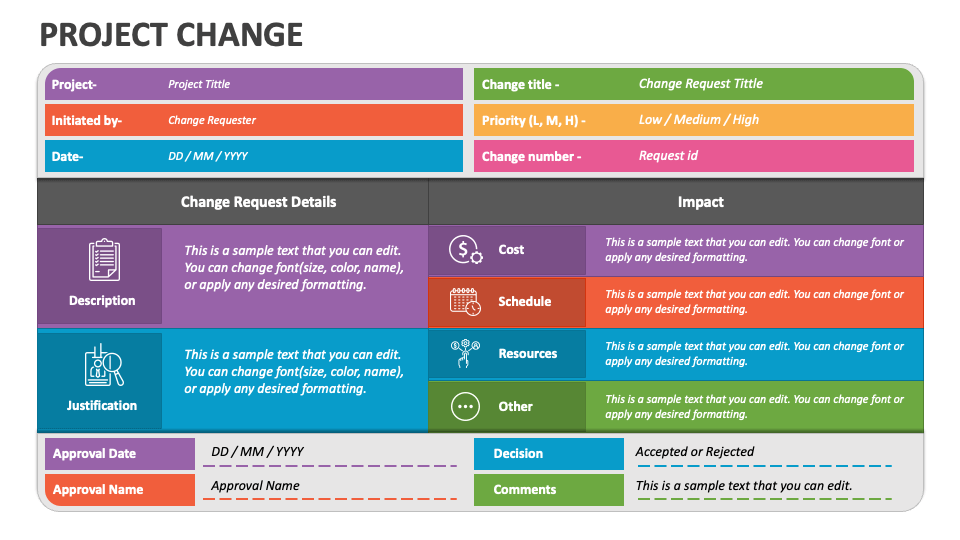
PowerPoint has become an indispensable tool for presentations, collaboration, and even basic document creation. However, navigating its template options can sometimes feel overwhelming. Many users struggle to understand the available templates and how to customize them effectively. This article will delve into the world of PowerPoint templates, exploring their benefits, how to find them, and the techniques for adapting them to your specific needs. Change Template In Powerpoint is a crucial skill for anyone looking to streamline their presentation workflow and create visually appealing and professional-looking slides. Let's explore how to leverage these templates to boost your productivity and enhance your presentations.
Understanding the Value of PowerPoint Templates
The beauty of PowerPoint templates lies in their ability to drastically reduce the time and effort required to create a polished presentation. They provide a pre-designed foundation, saving you from the initial design hurdle. Change Template In Powerpoint allows you to quickly transform a blank slide into a professional-looking presentation, eliminating the need to start from scratch. Furthermore, templates offer a consistent aesthetic, ensuring a cohesive look across all your presentations. They're not just about aesthetics; they also often include pre-populated content, such as images, charts, and graphs, streamlining the presentation creation process. Choosing the right template can significantly improve the overall impact of your presentation, making it more engaging and memorable for your audience. Consider the target audience and the purpose of your presentation when selecting a template – a formal business presentation will benefit from a more conservative template, while a casual presentation might allow for a more creative and vibrant option.

Finding the Perfect PowerPoint Template
There are numerous resources available to help you discover and download PowerPoint templates. Here are some of the most popular options:

- Microsoft Office Templates: This is the most straightforward option, directly integrated into PowerPoint. You can browse through a vast library of templates, categorized by purpose (e.g., sales, marketing, education). https://templates.office.com/
- SlideShare: SlideShare is a massive repository of presentation templates, often featuring professionally designed options. https://www.slideshare.net/
- Canva: Canva is a versatile design platform that offers a wide range of PowerPoint templates, including many free options. https://www.canva.com/
- Envato Elements: Envato Elements provides access to a huge library of premium templates, including many PowerPoint templates. https://elements.envato.com/
- Stock Photo Websites: Sites like Unsplash and Pexels offer high-quality, royalty-free images that can be incorporated into PowerPoint templates. These images can be used as backgrounds or to illustrate key points.
When searching for templates, consider your specific needs. A simple, clean template might be ideal for a formal presentation, while a more creative template could be better suited for a marketing campaign. Don't be afraid to explore different options and experiment to find the perfect fit.

Leveraging Template Features: Customization is Key
Once you've found a template you like, the real magic happens with customization. PowerPoint offers a wealth of tools to tailor the template to your unique requirements. Here are some key features to explore:

- Backgrounds: Change the background color or image to match your brand or presentation theme. You can upload your own images or choose from PowerPoint's built-in image library.
- Fonts: Select different fonts to enhance the visual appeal of your slides. Ensure that the fonts are legible and consistent with your overall design.
- Colors: Adjust the color palette to create a cohesive and professional look. Use color theory principles to create a visually balanced design.
- Layouts: Experiment with different layouts to arrange your content effectively. Consider using columns, rows, or a combination of both.
- Animations and Transitions: Add subtle animations and transitions to keep your audience engaged. However, use them sparingly to avoid distracting from your content.
- Content Insertion: Replace placeholder text with your own content. This is crucial for making your presentation truly your own.
Template Types and Their Best Uses
Different types of PowerPoint templates cater to different purposes. Here's a breakdown of some common types and when they're most effective:
- Formal Templates: These are typically used for business presentations, corporate reports, and other situations requiring a professional and polished appearance. They often feature a neutral color palette, clean fonts, and a structured layout.
- Creative Templates: These templates are designed to be visually engaging and can be used for marketing campaigns, product launches, and other creative presentations. They often incorporate vibrant colors, unique graphics, and dynamic layouts.
- Educational Templates: These templates are specifically designed for educational presentations, such as lectures, tutorials, and training sessions. They often feature clear and concise text, engaging visuals, and a focus on key concepts.
- Social Media Templates: These templates are optimized for social media platforms like Facebook, Instagram, and LinkedIn. They often feature a visually appealing design, concise text, and relevant images.
- Sales Templates: These templates are designed to promote sales and generate leads. They often include compelling visuals, persuasive copy, and calls to action.
Advanced Customization Techniques
Beyond basic customization, there are more advanced techniques you can use to truly personalize your PowerPoint presentations:
- Shape and Graphic Templates: PowerPoint offers a wide selection of pre-designed shapes and graphics that you can use to enhance your slides. These can be used to create visual interest and add a professional touch.
- Image Editing: Use PowerPoint's built-in image editing tools to adjust the size, position, and color of images. You can also add filters and effects to enhance the visual appeal of your slides.
- Chart and Graph Templates: PowerPoint provides a variety of chart and graph templates that can be used to visualize data effectively. Choose templates that are appropriate for the type of data you're presenting.
- Color Palette Tools: Utilize PowerPoint's color palette tools to create a consistent and visually appealing color scheme. Experiment with different color combinations to find one that works well for your presentation.
Best Practices for PowerPoint Template Usage
To ensure your PowerPoint presentations look their best, consider these best practices:
- Keep it Simple: Avoid overcrowding your slides with too much text or too many images. Focus on conveying your message clearly and concisely.
- Use High-Quality Images: Avoid using blurry or pixelated images. Choose images that are high resolution and relevant to your content.
- Maintain Consistency: Use the same fonts, colors, and layouts throughout your presentation. Consistency helps to create a professional and cohesive look.
- Proofread Carefully: Before you share your presentation, proofread it carefully for any errors in spelling or grammar.
- Test on Different Devices: Before presenting, test your presentation on different devices (e.g., laptop, tablet, smartphone) to ensure that it looks good on all of them.
Conclusion: Embrace the Power of PowerPoint Templates
Change Template In Powerpoint is a powerful tool that can significantly enhance your presentation skills and productivity. By understanding the available templates, utilizing their features effectively, and employing best practices, you can create visually appealing and impactful presentations that capture your audience's attention. Don't underestimate the value of a well-chosen template – it's an investment that will pay dividends in terms of presentation quality and audience engagement. As technology continues to evolve, PowerPoint templates will undoubtedly remain a vital part of any professional's toolkit. Continuously exploring new templates and mastering their customization capabilities will ensure you remain at the forefront of presentation design.
0 Response to "Change Template In Powerpoint"
Posting Komentar