
The modern business landscape demands data-driven decision-making. Businesses of all sizes are increasingly reliant on reports to track performance, analyze trends, and inform strategic planning. A robust and well-structured report is no longer a luxury – it's a necessity for effective communication and achieving organizational goals. This guide delves into the world of Ir Report Templates, exploring their purpose, key features, and how to create one that truly delivers value. Understanding the principles behind effective reporting is crucial for anyone seeking to improve their business's visibility and competitiveness. Ir Report Template is more than just a template; it's a framework designed to streamline the process of creating clear, concise, and impactful reports. Let's explore how to leverage this tool to unlock valuable insights.
The rise of data analytics has dramatically increased the need for standardized reporting. Traditional methods often resulted in fragmented data, making it difficult to identify meaningful patterns and trends. A well-designed Ir Report Template provides a consistent structure, ensuring that all relevant information is presented in a logical and easily digestible format. It's about moving beyond simply collecting data and transforming it into actionable intelligence. The core function of an Ir Report Template is to facilitate the sharing of key findings with stakeholders, fostering collaboration and promoting informed decision-making. Without a clear and organized approach, reports can become overwhelming and difficult to interpret, hindering progress. Investing in a quality template is an investment in your organization's ability to understand and respond effectively to its environment.
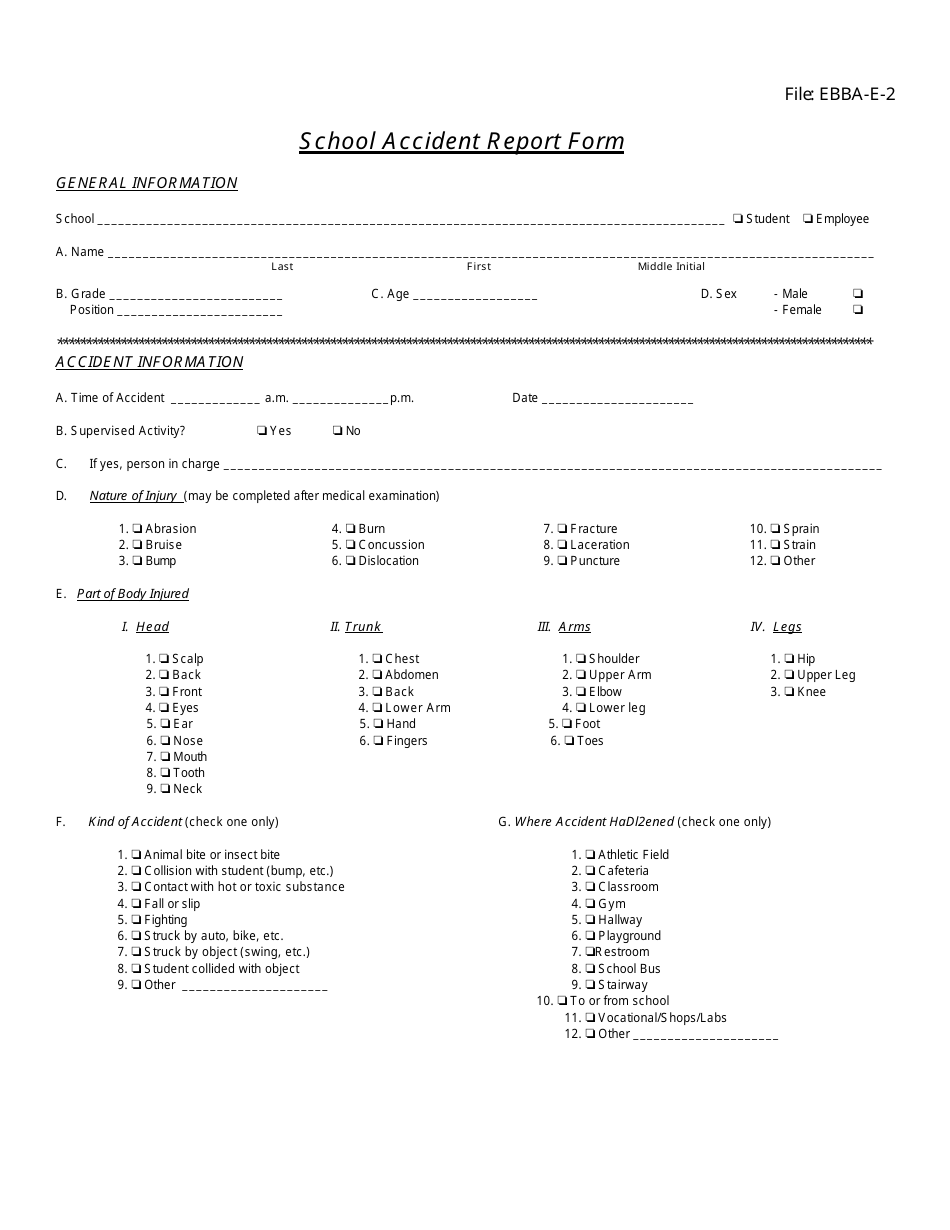
Understanding the Purpose of an Ir Report
Before diving into the specifics of creating an Ir Report Template, it's important to understand why these templates are so valuable. They serve several key purposes:
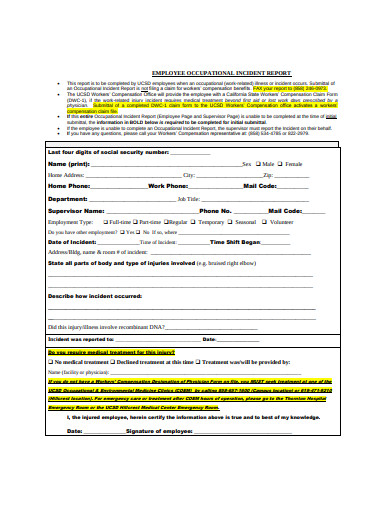
- Improved Communication: A standardized format ensures everyone involved – from executives to frontline employees – understands the report's content and its implications.
- Data-Driven Insights: Templates encourage the use of key performance indicators (KPIs) and metrics, prompting a deeper analysis of data rather than simply collecting it.
- Efficiency: Pre-built templates save time and effort by providing a starting point for report creation, reducing the need for extensive manual formatting.
- Consistency: Maintaining a consistent template across different reports ensures a uniform presentation of information, strengthening brand recognition.
- Compliance: Many industries have regulatory requirements for reporting, and a well-structured template can help organizations meet these obligations.
Key Components of a Robust Ir Report Template
A truly effective Ir Report Template typically includes several key components. These elements work together to create a cohesive and informative presentation.

1. Executive Summary
The Executive Summary is arguably the most crucial section of the report. It provides a high-level overview of the key findings and recommendations, designed to capture the attention of busy executives. It should be concise, highlighting the most important data points and strategic implications. Ir Report Template often includes a dedicated space for this section, allowing for a quick and impactful overview. A strong Executive Summary should answer the question: "What's the single most important takeaway from this report?"
2. Key Performance Indicators (KPIs)
This section details the KPIs that are most relevant to the report's objectives. KPIs are measurable values that track progress towards specific goals. Examples include sales revenue, customer acquisition cost, website traffic, and employee satisfaction. The template should clearly define each KPI, its target value, and the period it covers. It's vital to select KPIs that are truly meaningful and aligned with the organization's strategic priorities. Consider using a dashboard-style layout to visually represent the KPIs.
3. Data Analysis & Trends
This section presents the data collected and analyzed, highlighting key trends and patterns. It might include charts, graphs, and tables to visually represent the data. The analysis should go beyond simply presenting the numbers; it should explain why the data is changing and what it means for the business. For example, a graph showing a decline in sales could be accompanied by a note explaining the reasons for the decline, such as increased competition or changing customer preferences.
4. Supporting Data & Context
This section provides additional context and supporting data to enhance the understanding of the findings. It might include market research data, competitor analysis, or internal operational data. It's important to present this data in a clear and accessible manner, avoiding unnecessary jargon. This section helps to build a complete picture of the situation.
5. Recommendations & Actionable Insights
Based on the data analysis, the report should conclude with actionable recommendations. These are specific steps that can be taken to improve performance or address challenges. Recommendations should be clear, concise, and prioritized. The template should include a section for assigning responsibility for each recommendation and setting deadlines for implementation. This is where the Ir Report Template truly shines – it facilitates a structured process for translating data into strategic action.
Utilizing Templates Effectively
While a pre-built template provides a solid foundation, tailoring it to your specific needs is essential. Don't just blindly fill in the blanks. Consider these tips:
- Customize: Modify the template to include relevant data and metrics.
- Add Sections: Add sections that are specific to your industry or business model.
- Use Visuals: Incorporate charts, graphs, and tables to enhance readability.
- Maintain Consistency: Use consistent formatting and terminology throughout the report.
The Importance of a Well-Designed Template
The quality of your Ir Report Template directly impacts the effectiveness of your reporting process. A poorly designed template can be confusing, time-consuming, and ultimately ineffective. Investing in a professional template, or creating one yourself, demonstrates a commitment to data-driven decision-making and improves the overall efficiency of your organization. Furthermore, a well-designed template can be a valuable tool for training and development, ensuring that everyone involved in reporting understands the principles and best practices.
Conclusion: Leveraging the Power of Ir Report Templates
In conclusion, the Ir Report Template is a powerful tool for organizations seeking to improve their data-driven decision-making capabilities. By providing a structured framework for collecting, analyzing, and presenting data, these templates streamline the reporting process, improve communication, and ultimately drive better business outcomes. The key to maximizing the benefits of an Ir Report Template lies in its adaptability and its ability to be tailored to the specific needs of your organization. As data continues to grow in volume and complexity, the importance of a well-designed and consistently used Ir Report Template will only continue to increase. Don't underestimate the value of investing in this essential tool – it's an investment in your organization's future. The continued evolution of data analytics necessitates a flexible and effective reporting strategy, and the Ir Report Template remains a cornerstone of that strategy.
0 Response to "Ir Report Template"
Posting Komentar