
The escalating importance of robust record-keeping within organizations has driven the demand for effective incident reporting systems. A well-structured incident report template is no longer a luxury; it's a critical component of maintaining compliance, facilitating investigations, and ultimately, improving operational efficiency. This article will delve into the essential elements of an effective office incident report template, providing a comprehensive guide for businesses of all sizes. Office Incident Report Template – understanding its purpose and construction is paramount for minimizing potential damage and ensuring swift resolution. This guide will cover everything from initial reporting procedures to data collection and analysis, offering practical advice and best practices. We'll explore how to tailor the template to specific organizational needs and highlight the benefits of utilizing a standardized approach. Let's begin.
Understanding the Importance of Incident Reporting
The modern workplace is increasingly complex, and incidents – whether they're minor disruptions or serious safety hazards – are becoming more frequent. A proactive and documented incident reporting system isn't just about legal compliance; it's about fostering a culture of safety, accountability, and continuous improvement. Without a clear process for reporting incidents, organizations risk overlooking potential problems, delaying investigations, and potentially suffering significant consequences. The consequences of inadequate incident reporting can range from financial penalties to reputational damage, impacting employee morale and customer trust. Therefore, investing in a reliable incident report template is a strategic investment in the long-term health and success of your organization.
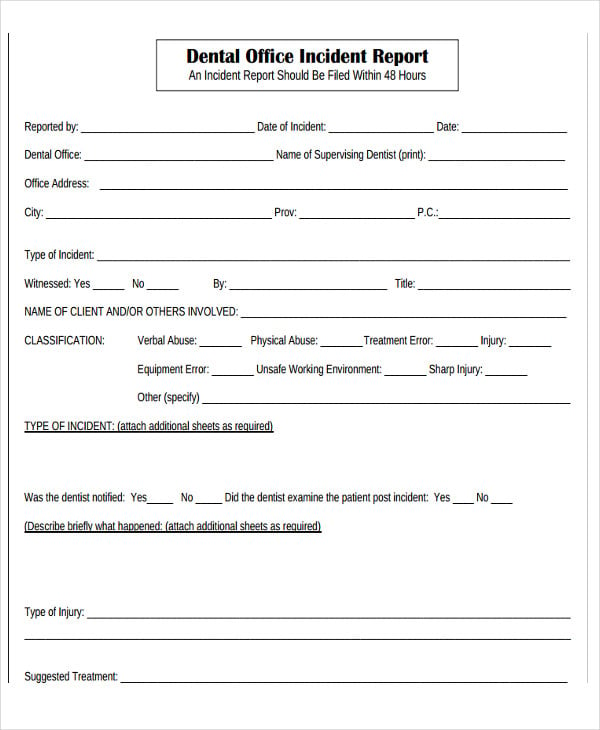
The core function of an incident report template is to systematically capture the details of an event, regardless of its severity. It's a tool for documenting the facts, identifying root causes, and implementing corrective actions. A well-designed template ensures that all relevant information is gathered, reducing the risk of misinterpretation and facilitating a thorough investigation. Furthermore, it provides a valuable baseline for tracking trends and identifying areas for improvement within your operations. Consider the impact of a single, poorly documented incident – it can create a ripple effect, impacting multiple departments and potentially leading to larger problems down the line.
Key Components of an Effective Office Incident Report Template
Let's examine the essential sections that comprise a robust office incident report template. Each section plays a vital role in ensuring a comprehensive and accurate record of the event.
1. Incident Details – The Foundation
The initial section of the report should clearly outline the incident itself. This includes:
- Date and Time: Precisely record the date and time the incident occurred.
- Location: Specify the exact location where the incident took place.
- Description of the Incident: Provide a detailed account of what happened. Use clear, concise language and avoid jargon. Focus on the facts – avoid speculation or assumptions. For example, instead of saying "He was frustrated," state "John reported feeling overwhelmed by the workload and expressed frustration with the lack of support."
- Witnesses: List all individuals who witnessed the incident. Include their names and contact information if possible.
- Initial Observations: Document any immediate observations made during the incident.
2. Potential Causes – Identifying Root Causes
This section is crucial for understanding why the incident occurred. It's not enough to simply describe what happened; you need to identify the underlying causes. Possible areas to explore include:
- Equipment Malfunction: Was there a mechanical failure?
- Human Error: Was there a mistake made by an employee?
- Environmental Factors: Were there external factors that contributed to the incident (e.g., weather conditions, faulty lighting)?
- Lack of Training: Was inadequate training a contributing factor?
- Process Issues: Were there problems with established procedures or workflows?
A thorough investigation of potential causes is essential for preventing similar incidents in the future. Documenting these potential causes will help to inform preventative measures.
3. Actions Taken – Corrective Measures
This section details the steps taken to address the incident and prevent recurrence. This might include:
- Immediate Actions: What was done immediately after the incident to mitigate the impact?
- Corrective Actions: What specific actions are being taken to address the root causes identified?
- Preventative Measures: What changes are being implemented to prevent similar incidents from occurring in the future?
- Employee Training: Were any training sessions conducted to address the identified issues?
4. Supporting Documentation – Evidence Gathering
This section is vital for supporting the report and ensuring its credibility. Include:
- Photographs/Videos: Capture visual evidence of the incident.
- Audio Recordings: Record any relevant audio data.
- Witness Statements: Obtain written statements from witnesses.
- Maintenance Records: Include records of equipment maintenance and repairs.
- Incident Reports: If previous incidents have been documented, reference them here.
Tailoring the Template for Specific Industries
While the core elements of an office incident report template remain consistent, it's important to tailor the template to the specific needs of different industries. For example:
- Healthcare: Incident reports will need to include detailed information about patient safety, infection control, and compliance with regulations.
- Manufacturing: Incident reports will need to address equipment failures, process deviations, and safety hazards related to production.
- Retail: Incident reports will need to focus on customer safety, loss prevention, and employee safety.
Benefits of Using a Standardized Template
Implementing a standardized office incident report template offers numerous benefits:
- Improved Data Collection: Ensures consistent and accurate data collection.
- Enhanced Investigation: Facilitates a more efficient and thorough investigation.
- Reduced Risk: Minimizes the risk of overlooking potential problems.
- Increased Accountability: Promotes accountability for incidents and corrective actions.
- Regulatory Compliance: Supports compliance with relevant regulations and standards.
- Streamlined Reporting: Simplifies the reporting process, saving time and resources.
Conclusion – The Power of Prevention
A well-designed and consistently utilized office incident report template is an invaluable tool for promoting safety, accountability, and continuous improvement. By systematically documenting incidents, identifying root causes, and implementing corrective actions, organizations can significantly reduce the risk of future occurrences and create a safer and more productive work environment. Remember, proactive incident reporting isn't just about reacting to problems; it's about preventing them in the first place. Investing in a robust template is an investment in the long-term success of your organization. Office Incident Report Template – its effective implementation is a cornerstone of a strong safety culture.
0 Response to "Office Incident Report Template"
Posting Komentar