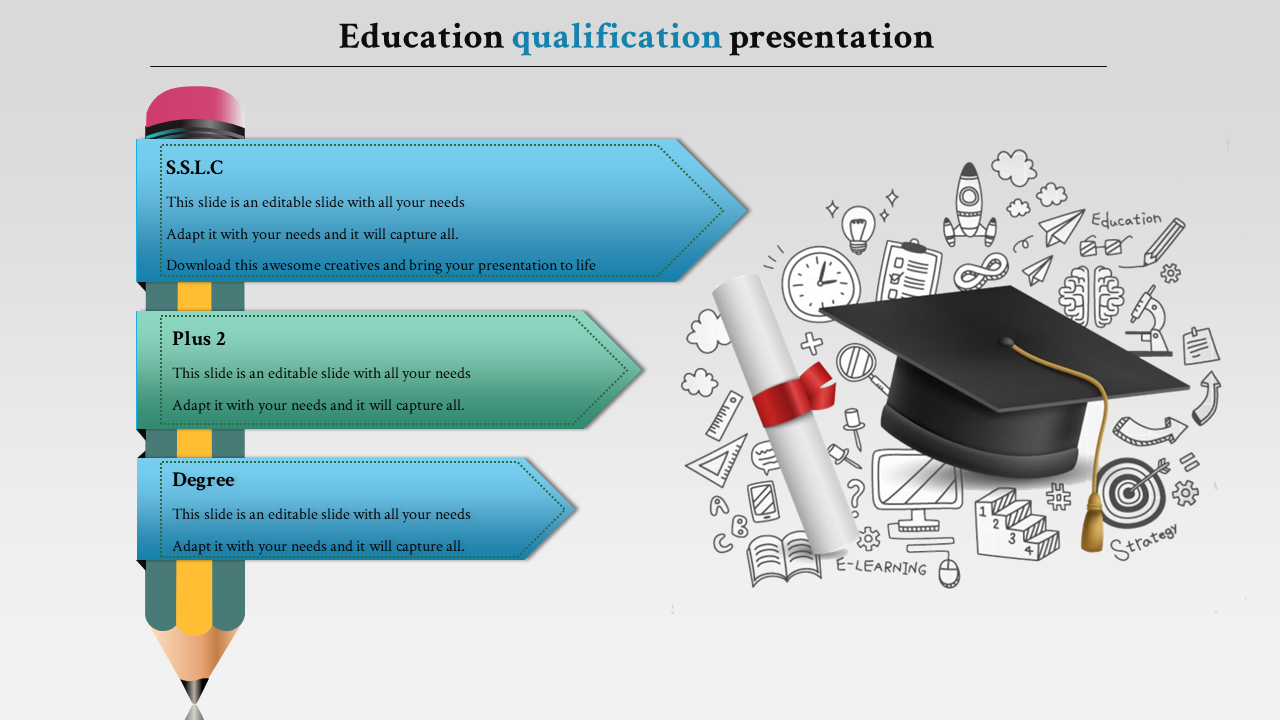
The incorporation of interactive and engaging learning tools into the classroom has dramatically shifted the landscape of education. Gone are the days of solely relying on traditional textbooks and lectures. Today, educators are increasingly turning to dynamic, visually appealing resources like PowerPoint templates and games to capture students' attention and enhance learning outcomes. Powerpoint Template Games For Education represents a significant evolution in this approach, offering a versatile and cost-effective way to deliver educational content in a fun and memorable way. This article will explore the benefits, diverse types, and practical considerations for utilizing PowerPoint template games to create a more stimulating and effective learning environment. We'll delve into how these games can cater to different age groups and learning styles, ultimately demonstrating their potential to transform the way students learn.
The rise of digital learning has fueled a growing demand for innovative educational tools. Traditional methods often struggle to maintain student engagement, particularly with subjects that can be challenging or abstract. PowerPoint templates, readily available and customizable, provide a readily accessible platform to inject creativity and interactivity into lessons. These templates aren't just static presentations; they're designed to be actively used, fostering a sense of participation and ownership over the learning process. The key is to understand that these aren't simply decorative elements; they're designed to be integrated into a curriculum. A well-chosen template can dramatically improve student motivation and retention.

Understanding the Benefits of PowerPoint Template Games
The advantages of utilizing PowerPoint template games extend far beyond simple entertainment. They offer a multitude of benefits for both educators and students. Firstly, they significantly boost student engagement. Traditional lectures can often lead to passive learning, but interactive games transform students into active participants, encouraging them to actively engage with the material. This increased engagement translates into improved comprehension and retention. Secondly, these games cater to diverse learning styles. Visual learners thrive on the colorful graphics and animations of PowerPoint templates, while kinesthetic learners benefit from the opportunity to manipulate and interact with the game elements. Furthermore, they can be easily adapted to different subject areas, from math and science to history and language arts. The flexibility of these templates allows educators to tailor the game to the specific curriculum and learning objectives.
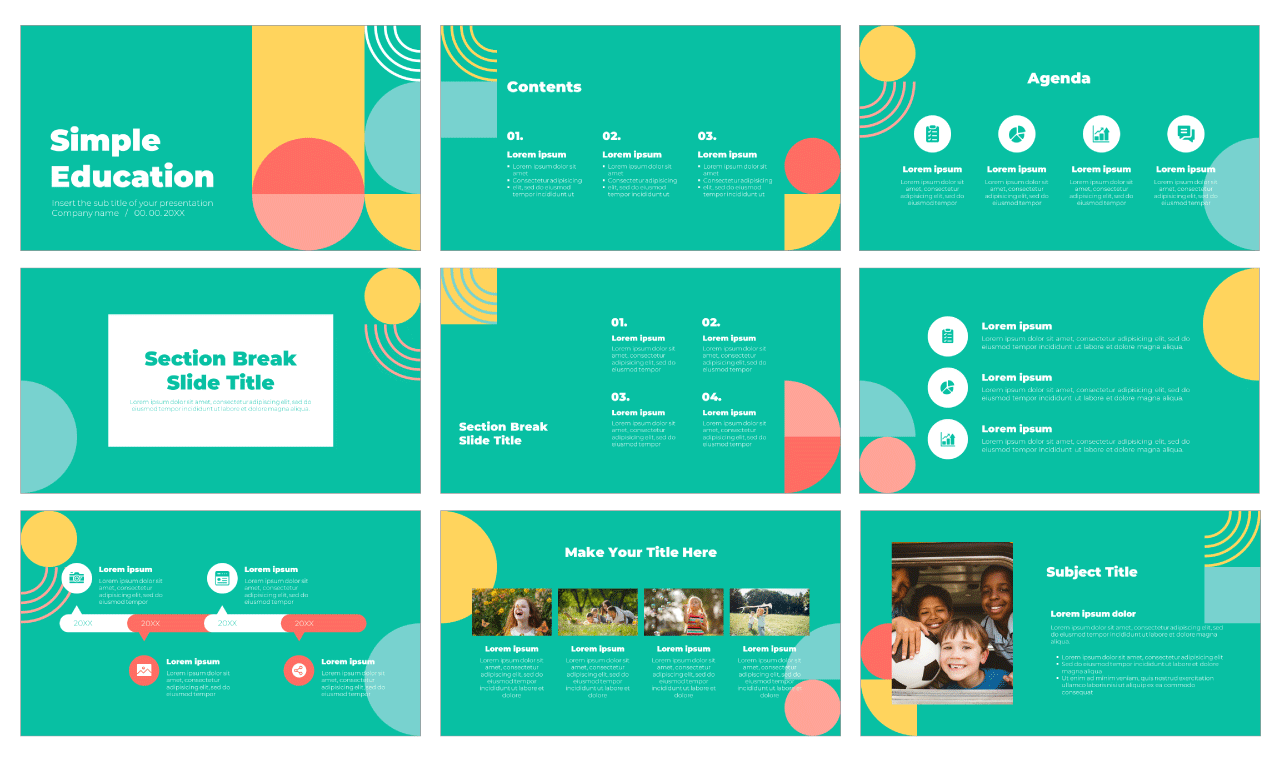
Diverse Types of PowerPoint Template Games for Education
The world of PowerPoint template games is surprisingly diverse, offering a wide range of options to suit various educational needs. Let's explore some of the most popular and effective types:

Quiz Games: These are perhaps the most widely used type of PowerPoint template game. They typically involve students answering questions related to the lesson content, with the correct answers revealed through a visual display. These can range from multiple-choice quizzes to fill-in-the-blank exercises. The use of visual cues, such as animations or sound effects, can further enhance engagement.

Matching Games: These games require students to match terms, concepts, or images with their correct definitions or representations. They are excellent for reinforcing vocabulary and understanding relationships between different ideas.
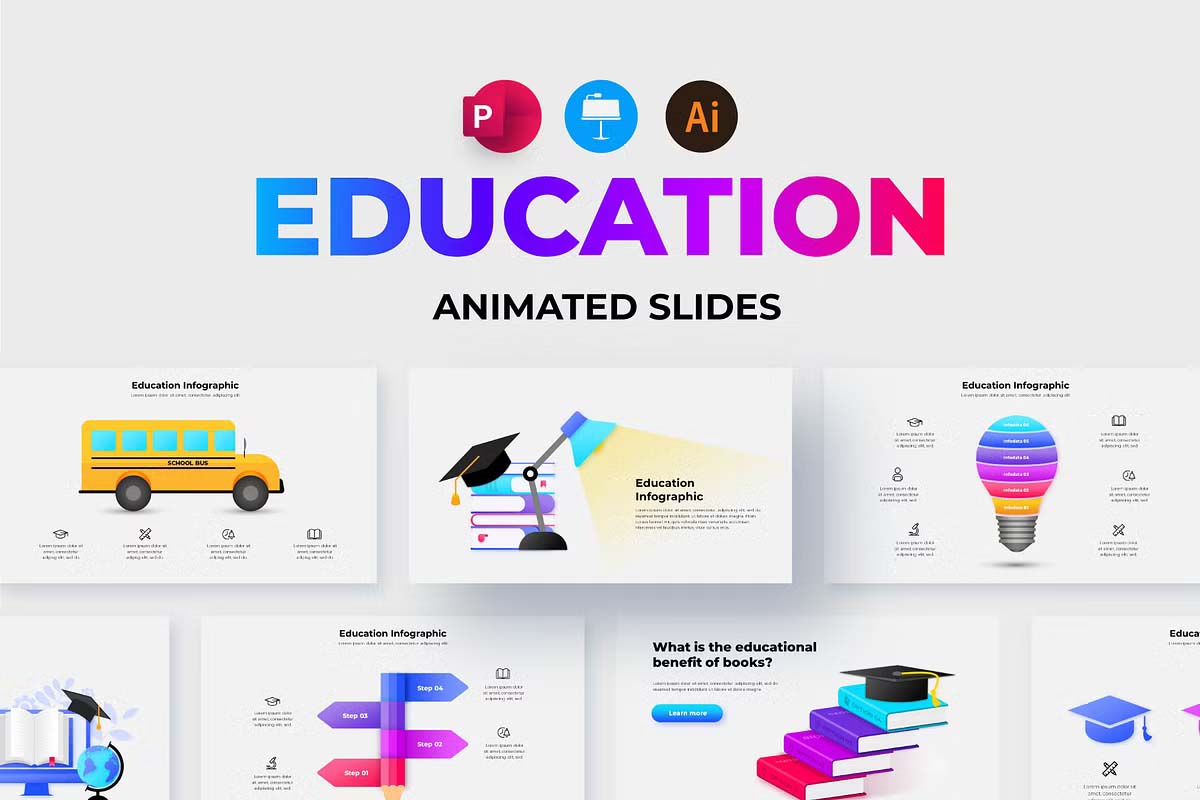
Drag-and-Drop Activities: These games involve students dragging and dropping elements into designated spaces, such as matching historical figures to their roles or arranging vocabulary words in the correct order. They promote critical thinking and organizational skills.

Storytelling Games: Some templates allow students to create and share stories, incorporating elements of the lesson content. This encourages creative writing and reinforces key concepts.
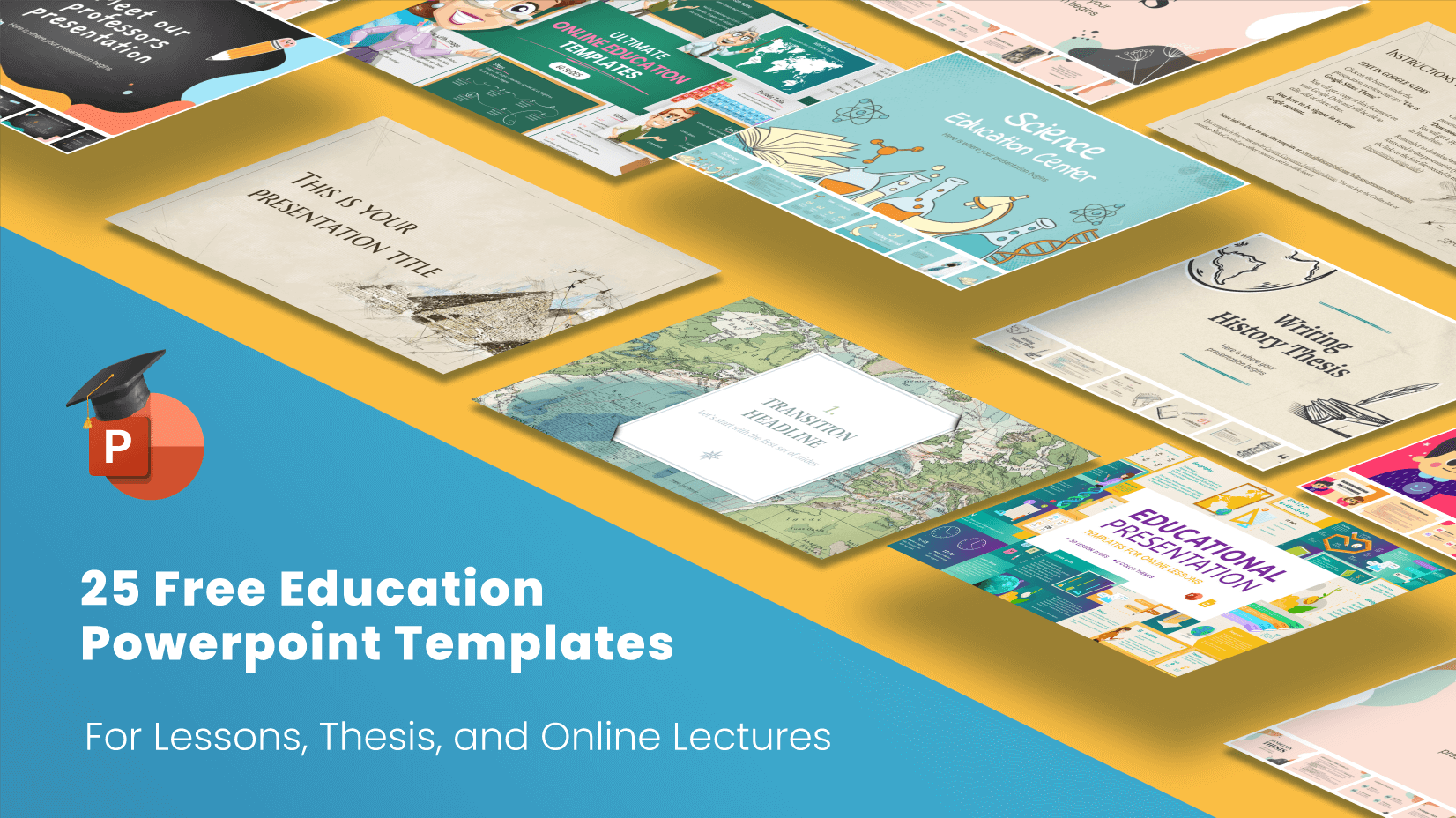
Simulation Games: More advanced templates can simulate real-world scenarios, allowing students to make decisions and observe the consequences. These are particularly effective for subjects like science and social studies.
Escape Rooms: These games present a series of puzzles and challenges that students must solve to "escape" a virtual room. They encourage teamwork and problem-solving skills.
Tailoring Templates to Specific Learning Objectives
The effectiveness of a PowerPoint template game hinges on its ability to align with the specific learning objectives. A science lesson, for example, might benefit from a game that reinforces scientific concepts through interactive simulations or problem-solving challenges. In a history lesson, a game could involve students recreating historical events or analyzing primary source documents. Careful consideration of the learning objectives is crucial when selecting and customizing a template. Teachers should ensure that the game reinforces the key concepts they are trying to teach.
Implementation Strategies for Maximizing Impact
Successfully integrating PowerPoint template games into the classroom requires careful planning and implementation. Here are some key strategies:
Start Small: Begin with a simple game and gradually introduce more complex elements as students become comfortable with the format.
Clear Instructions: Provide clear and concise instructions for the game, explaining the rules and objectives.
Visual Aids: Utilize visuals, such as animations and sound effects, to enhance engagement and understanding.
Feedback: Provide immediate feedback to students, highlighting correct answers and explaining incorrect answers.
Differentiation: Adapt the game to meet the needs of diverse learners, offering variations in difficulty or support.
Technology Integration: Ensure that students have access to the necessary technology, such as computers or tablets, to participate in the game.
The Role of the Teacher in Facilitating Learning
While PowerPoint template games offer a powerful tool for enhancing learning, they are not a replacement for effective teaching. The teacher's role is to facilitate the learning process, guiding students through the game and providing support as needed. The teacher should act as a facilitator, rather than simply a dispenser of information. They should encourage collaboration, promote critical thinking, and assess student understanding. The template game is a tool to enhance the learning experience, not the entire lesson.
Conclusion
Powerpoint template games represent a dynamic and engaging approach to education, offering a multitude of benefits for both educators and students. By leveraging the versatility of these templates, educators can create more stimulating and effective learning environments. The diverse range of game types available, coupled with thoughtful implementation strategies, allows for the tailoring of these games to specific learning objectives. Ultimately, the integration of PowerPoint template games is a valuable investment in student engagement, comprehension, and overall learning outcomes. As technology continues to evolve, the potential for these interactive tools to transform education remains immense. The future of learning is undoubtedly interactive, and PowerPoint template games are poised to play a central role in shaping that future.
Conclusion
The integration of PowerPoint template games into educational practices offers a compelling pathway to enhanced student engagement and improved learning outcomes. By carefully selecting appropriate templates, tailoring them to specific learning objectives, and providing effective facilitation, educators can unlock the full potential of these dynamic tools. The benefits extend beyond simple entertainment, fostering active participation, reinforcing key concepts, and cultivating a deeper understanding of the subject matter. As technology continues to advance, the role of these interactive games in shaping the educational landscape will only become more significant, solidifying their position as a valuable asset in the modern classroom.
0 Response to "Powerpoint Template Games For Education"
Posting Komentar