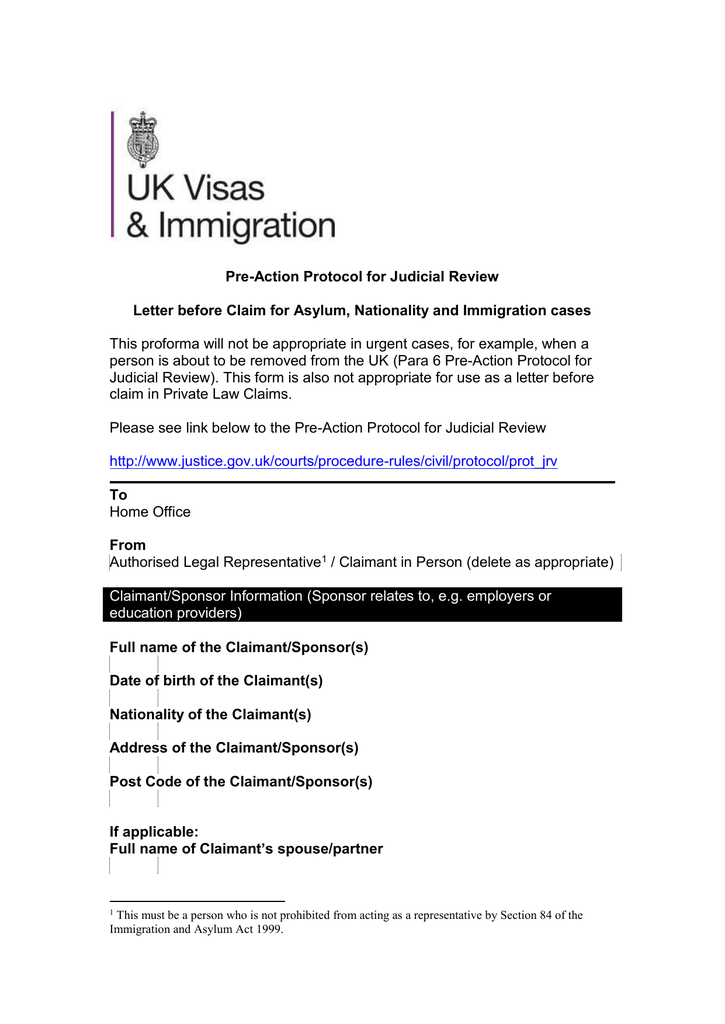
The process of initiating a project or undertaking often involves a series of preliminary steps – known as "pre-action" or "preparation" – that are crucial for ensuring a successful outcome. These steps aren't always obvious, and sometimes they require a carefully crafted letter to formally communicate the need for them. A well-written pre-action protocol letter template provides a clear, concise, and professional framework for these preparations, minimizing confusion and maximizing efficiency. This template is designed to streamline communication and ensure everyone involved understands their responsibilities. Pre Action Protocol Letter Template is a vital tool for any organization seeking to improve project management and reduce potential delays. It's more than just a formality; it's a proactive strategy for success. The effectiveness of this template hinges on its clarity, thoroughness, and adherence to established procedures. A poorly constructed template can lead to miscommunication and ultimately, project failure. Let's explore how to create a robust and effective pre-action protocol letter template.
The importance of pre-action protocols cannot be overstated. They represent a significant investment in planning and organization. Without them, projects can quickly spiral out of control, leading to wasted time, resources, and potentially, significant financial losses. A proactive approach to these initial steps allows teams to identify potential roadblocks early on, enabling them to address them before they escalate into major problems. Furthermore, a well-defined template ensures consistency and transparency across the entire team, fostering a shared understanding of expectations and responsibilities. It's about establishing a baseline of understanding and setting the stage for a smooth and productive workflow. Consider the impact of delays – even seemingly minor delays can accumulate and significantly impact project timelines. A meticulously planned pre-action protocol dramatically reduces the likelihood of these delays. The template acts as a roadmap, guiding teams through the necessary steps and ensuring that everyone is aligned on the goals and objectives. It's a foundational element of a successful project lifecycle.
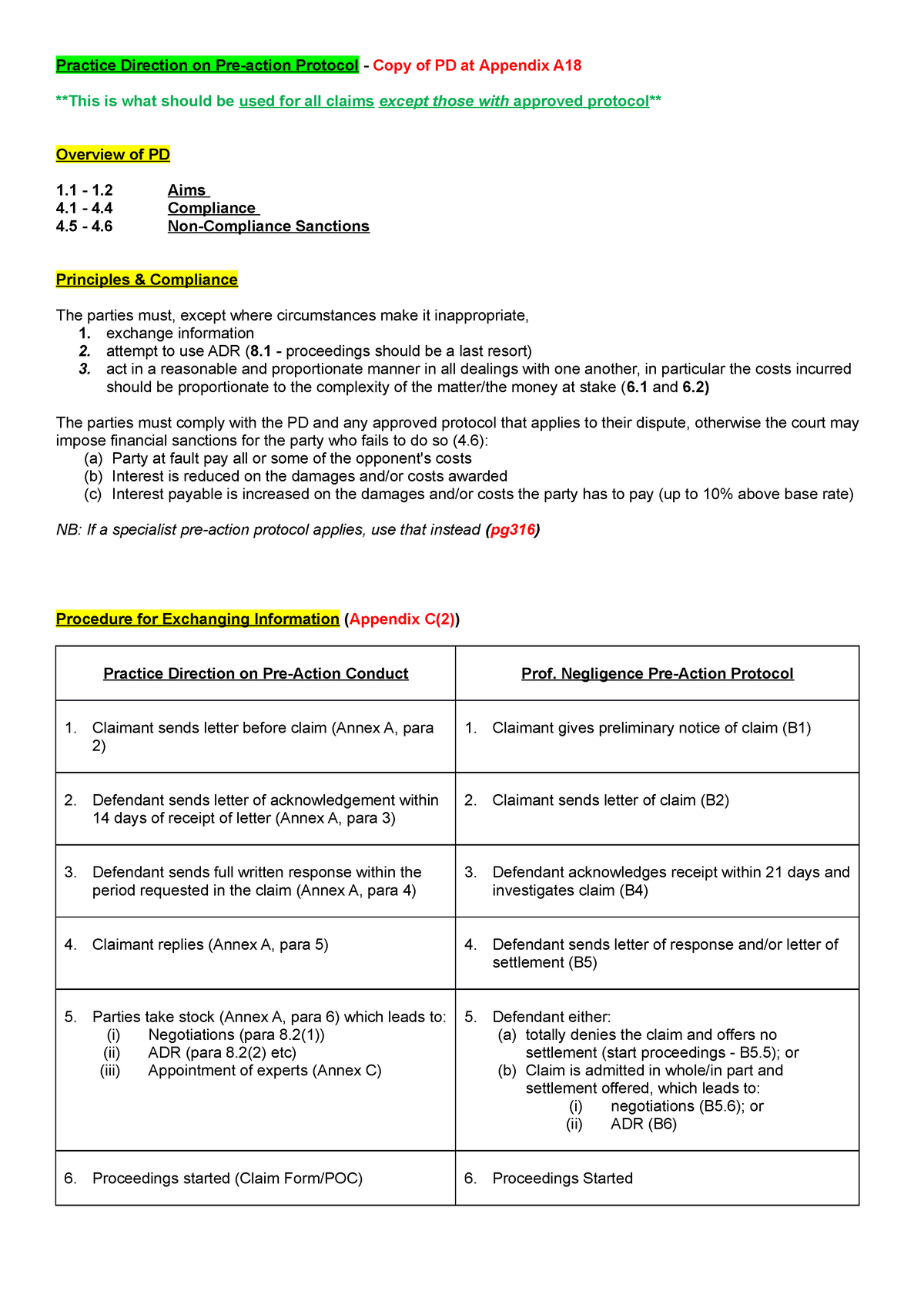
Understanding the Core Components of a Pre-Action Protocol Letter
Before diving into the specific template, let's break down the key components that should be included in a comprehensive pre-action protocol letter. A strong template isn't just a list of tasks; it's a structured document that facilitates clear communication and accountability. The letter should be professional, concise, and easily accessible to all relevant stakeholders. It's also important to tailor the template to the specific project and organization. A template that works perfectly for one project may not be suitable for another. The goal is to create a flexible framework that can be adapted as needed. A key element is the acknowledgement of potential challenges and the provision of a clear path for addressing them. Finally, a well-written template demonstrates a commitment to proactive planning and a dedication to delivering successful outcomes.

Section 1: Introduction and Purpose
The first paragraph of the pre-action protocol letter should clearly state the purpose of the document and the scope of the protocol. It's important to establish the context and explain why this template is being implemented. This section should also briefly outline the key areas that will be covered in the letter. For example, it might state that the template addresses the initial steps required for [Project Name] and aims to ensure [Specific Goal, e.g., secure stakeholder buy-in, establish clear roles and responsibilities]. A concise and direct introduction sets the tone for the entire document and immediately communicates the template's intended function. It's a crucial first impression, establishing credibility and demonstrating a commitment to thoroughness. This section should avoid jargon and use plain language that everyone can understand.

Section 2: Detailed Pre-Action Steps – A Template Framework
This section outlines the specific steps that need to be completed before the project can begin. Each step should be clearly defined, with specific instructions and deadlines. The template provides a structured approach to ensure that all necessary tasks are addressed. It's important to break down complex tasks into smaller, more manageable steps. For example, under "Phase 1: Stakeholder Engagement," the template might include steps such as:

- Identify Key Stakeholders: List all individuals or groups who have an interest in the project.
- Conduct Initial Interviews: Schedule and conduct interviews with key stakeholders to understand their needs and expectations.
- Develop a Communication Plan: Outline how communication will be managed throughout the project lifecycle.
- Obtain Formal Approval: Secure written approval from key stakeholders before proceeding.
The template includes a section for documenting each step, including the responsible party and the expected completion date. This ensures accountability and facilitates tracking progress. It's vital to include a section for potential risks and mitigation strategies. For instance, under "Risk Assessment," the template might include a column for identifying potential challenges and outlining contingency plans. This proactive approach to risk management is essential for minimizing disruptions. The template should be adaptable to different project types and complexities.

Section 3: Roles and Responsibilities – Defining Accountability
Clearly defining roles and responsibilities is paramount to the success of any pre-action protocol. The template should explicitly outline who is responsible for each step and the expected level of involvement. This avoids confusion and ensures that everyone knows what is expected of them. For example, the template might include a section for:

- Project Manager: Responsible for overseeing the entire pre-action protocol and ensuring that all steps are completed on time and within budget.
- Team Leads: Responsible for leading specific tasks and ensuring that they are completed effectively.
- Stakeholders: Responsible for providing input and approval on key decisions.
The template should also include a section for documenting any dependencies between tasks. For instance, it might specify that "Phase 2: Data Gathering" is dependent on "Phase 1: Stakeholder Engagement." This clarifies the sequence of events and helps to identify potential bottlenecks. A well-defined RACI matrix (Responsible, Accountable, Consulted, Informed) can be incorporated to further clarify roles and responsibilities.
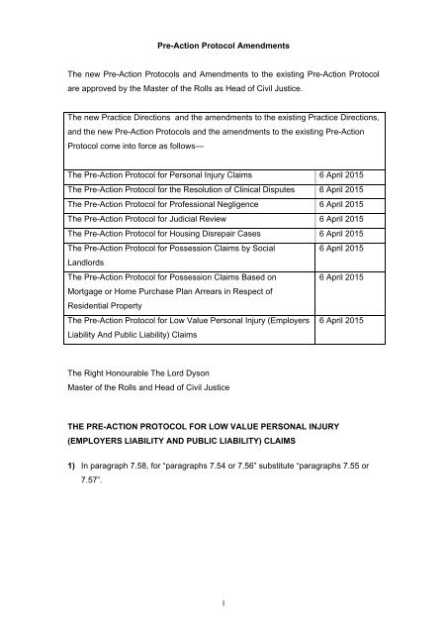
Section 4: Communication and Reporting – Maintaining Transparency
Effective communication is critical throughout the pre-action protocol process. The template should include a section for establishing a communication plan and outlining how information will be shared. This might include:
- Regular Status Updates: Schedule regular meetings to discuss progress and address any issues.
- Email Communication: Utilize email for quick updates and information sharing.
- Project Management Software: Utilize project management software to track tasks and deadlines.
The template should also include a section for documenting all communication and reporting activities. This ensures that everyone is aware of what is happening and can respond promptly to any questions or concerns. A clear and consistent reporting process is essential for maintaining transparency and fostering collaboration. Consider incorporating a template for documenting change requests and approvals.
Section 5: Template Review and Approval
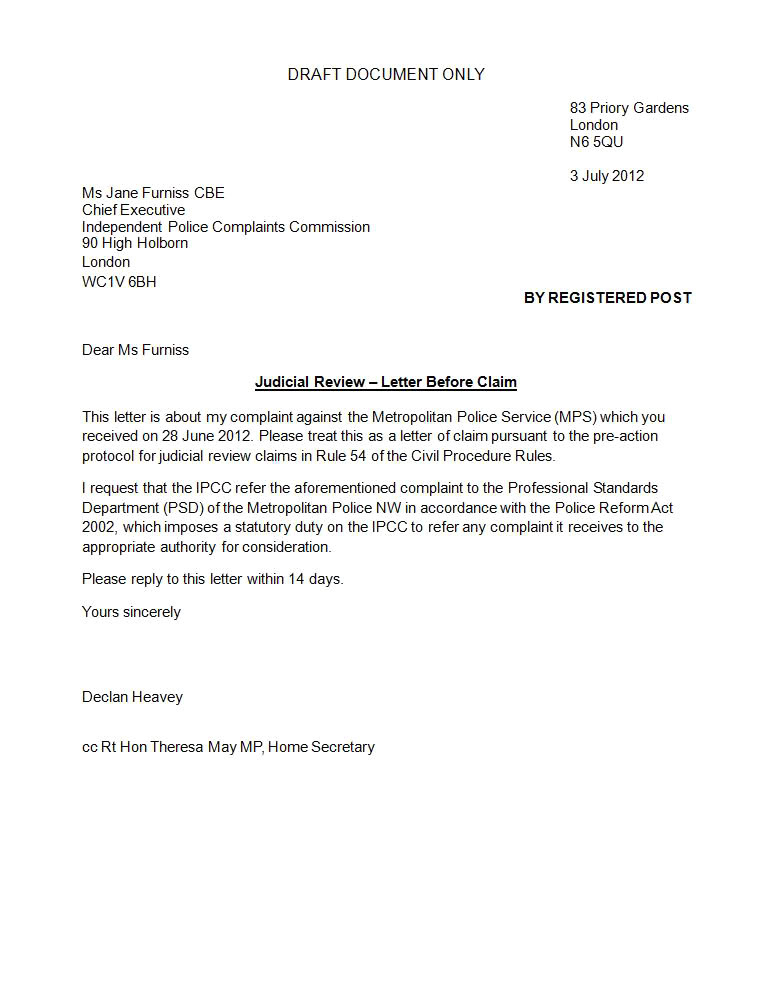
The final paragraph of the pre-action protocol letter should reiterate the importance of reviewing and approving the template before it is used. It should also include a statement that the template is subject to change as needed. This ensures that the template remains relevant and effective over time. A formal approval process is crucial for maintaining consistency and accountability. It's a formal acknowledgement that the template has been reviewed and approved by all relevant stakeholders. This reinforces the importance of the template and ensures that it is being used correctly.
Conclusion
A well-crafted pre-action protocol letter template is an indispensable tool for any organization seeking to improve project management and achieve successful outcomes. By systematically outlining the necessary steps, clearly defining roles and responsibilities, and establishing effective communication channels, this template minimizes risks, promotes accountability, and ultimately, increases the likelihood of project success. The template's adaptability and focus on proactive planning are key to its effectiveness. Remember, investing time in creating a robust pre-action protocol is an investment in the long-term success of your projects. The consistent application of this template will contribute to a more organized, efficient, and ultimately, more profitable operation. The benefits of a meticulously planned pre-action protocol extend far beyond simply ticking boxes; they represent a fundamental shift in how projects are approached, fostering a culture of proactive planning and continuous improvement. Continuous refinement and adaptation of the template based on project experience are also vital for maintaining its effectiveness.
0 Response to "Pre Action Protocol Letter Template"
Posting Komentar