
The lunchtime experience for students is a crucial part of their day, impacting their energy levels, focus, and overall well-being. A well-designed school lunch menu can significantly contribute to a positive and productive learning environment. A thoughtfully crafted school lunch menu template is more than just a list of options; it's a strategic tool for schools aiming to provide nutritious, appealing, and cost-effective meals. This article will explore the key elements of creating an effective school lunch menu template, covering everything from nutritional considerations to practical design and implementation. School Lunch Menu Template is the central focus of this guide. Understanding how to structure and present your menu effectively is vital for both students and school administrators. Let's dive in.
Understanding the Importance of a School Lunch Menu
The benefits of a robust school lunch program extend far beyond simply filling stomachs. A well-planned menu directly impacts student health and academic performance. Studies have shown a correlation between nutritious meals and improved concentration, reduced absenteeism, and better overall cognitive function. Furthermore, offering diverse and appealing options caters to a range of dietary needs and preferences, promoting inclusivity and reducing potential food-related issues. A consistent and appealing menu fosters a positive school culture and encourages students to embrace healthy eating habits. The success of a school lunch program hinges on a strategic approach to menu design, ensuring it's both nutritious and enjoyable. Consider the impact on student morale – a consistently good lunch can be a significant morale booster. It's not just about providing food; it's about creating a positive experience.
Core Components of a School Lunch Menu Template
Creating a successful school lunch menu template requires careful consideration of several key elements. Firstly, nutritional guidelines are paramount. Schools must adhere to established guidelines regarding serving sizes, calorie content, and the inclusion of essential vitamins and minerals. A template should incorporate information about the nutritional value of each item, allowing for easy tracking and analysis. Secondly, variety is key. Offering a diverse range of options – salads, sandwiches, fruits, vegetables, and whole-grain options – caters to different tastes and dietary restrictions. Thirdly, cost-effectiveness is a significant consideration. Schools need to balance nutritional value with budgetary constraints, utilizing ingredients that are readily available and affordable. Finally, student preferences should be considered. Surveys and feedback from students are invaluable in shaping the menu and ensuring it resonates with the student body. A flexible template allows for adjustments based on seasonal availability and student feedback.
Section 1: Core Food Groups and Nutritional Considerations
The school lunch menu should prioritize a balanced intake of macronutrients and micronutrients. A typical school lunch should include:
- Protein: Lean meats, poultry, fish, beans, lentils, tofu, and eggs provide essential amino acids for muscle building and repair.
- Carbohydrates: Whole grains (brown rice, whole wheat bread, oats), fruits, and vegetables offer sustained energy. Focus on complex carbohydrates over simple sugars.
- Healthy Fats: Avocado, nuts, seeds, and olive oil contribute to brain function and overall health.
- Fruits & Vegetables: A colorful array of fruits and vegetables provides essential vitamins, minerals, and fiber. Aim for at least one serving per day.
- Dairy (or Alternatives): Milk, yogurt, cheese, or fortified plant-based alternatives provide calcium and vitamin D.
It's crucial to consider portion sizes and serving sizes to ensure students are consuming adequate amounts of each food group. Using visual aids, such as portion guides, can help students understand appropriate serving sizes. Furthermore, schools should prioritize sourcing ingredients from local farmers to support sustainable agriculture and reduce transportation costs.
Section 2: Menu Item Examples – Sandwiches & Wraps
Let's examine some specific menu item examples that can be incorporated into a school lunch template. These examples demonstrate how to create appealing and nutritious options.
- Turkey & Cheese Sandwich: Whole wheat bread, sliced turkey breast, cheddar cheese, lettuce, tomato, and a light spread of mayonnaise. (Nutritional Value: Protein: 20g, Carbs: 30g, Fat: 10g)
- Chicken Caesar Wrap: Whole wheat tortilla, grilled chicken breast, romaine lettuce, parmesan cheese, Caesar dressing (light), and sliced tomatoes. (Nutritional Value: Protein: 25g, Carbs: 20g, Fat: 15g)
- Black Bean & Corn Salad: Black beans, corn, diced bell peppers, red onion, cilantro, lime juice, and a light vinaigrette dressing. (Nutritional Value: Protein: 15g, Carbs: 30g, Fat: 8g)
- Pasta Salad with Vegetables: Whole wheat pasta, cherry tomatoes, cucumber, bell peppers, olives, feta cheese, and a light Italian dressing. (Nutritional Value: Protein: 12g, Carbs: 40g, Fat: 12g)
These examples showcase the versatility of the school lunch menu and demonstrate how to incorporate healthy ingredients and balanced nutrition.
Section 3: Dietary Considerations and Allergen Awareness
Schools must be sensitive to the dietary needs of all students, including those with allergies and dietary restrictions. A robust school lunch menu template should include clear labeling of ingredients and allergen information. Common allergens to be aware of include peanuts, tree nuts, milk, eggs, soy, wheat, and fish. Schools should partner with food service providers who are trained in allergen management and have protocols in place to prevent cross-contamination. Providing alternative options for students with allergies is essential for ensuring their safety and well-being. Clearly marked allergy information, displayed prominently on menus and in school newsletters, is crucial. Consider offering gluten-free and vegetarian options to cater to diverse dietary needs.
Section 4: Cost-Effectiveness Strategies
Maintaining a cost-effective school lunch program requires careful planning and strategic sourcing. Schools should prioritize ingredients that are readily available and affordable. Bulk purchasing, negotiating with suppliers, and utilizing seasonal produce can significantly reduce costs. Exploring partnerships with local farmers and food banks can also provide access to cost-effective ingredients. Implementing efficient inventory management systems can minimize food waste. Consider utilizing cost-effective packaging options to reduce waste and maintain food quality. Regularly reviewing menu costs and identifying areas for improvement is essential for maintaining financial sustainability.
Section 5: Menu Design and Presentation
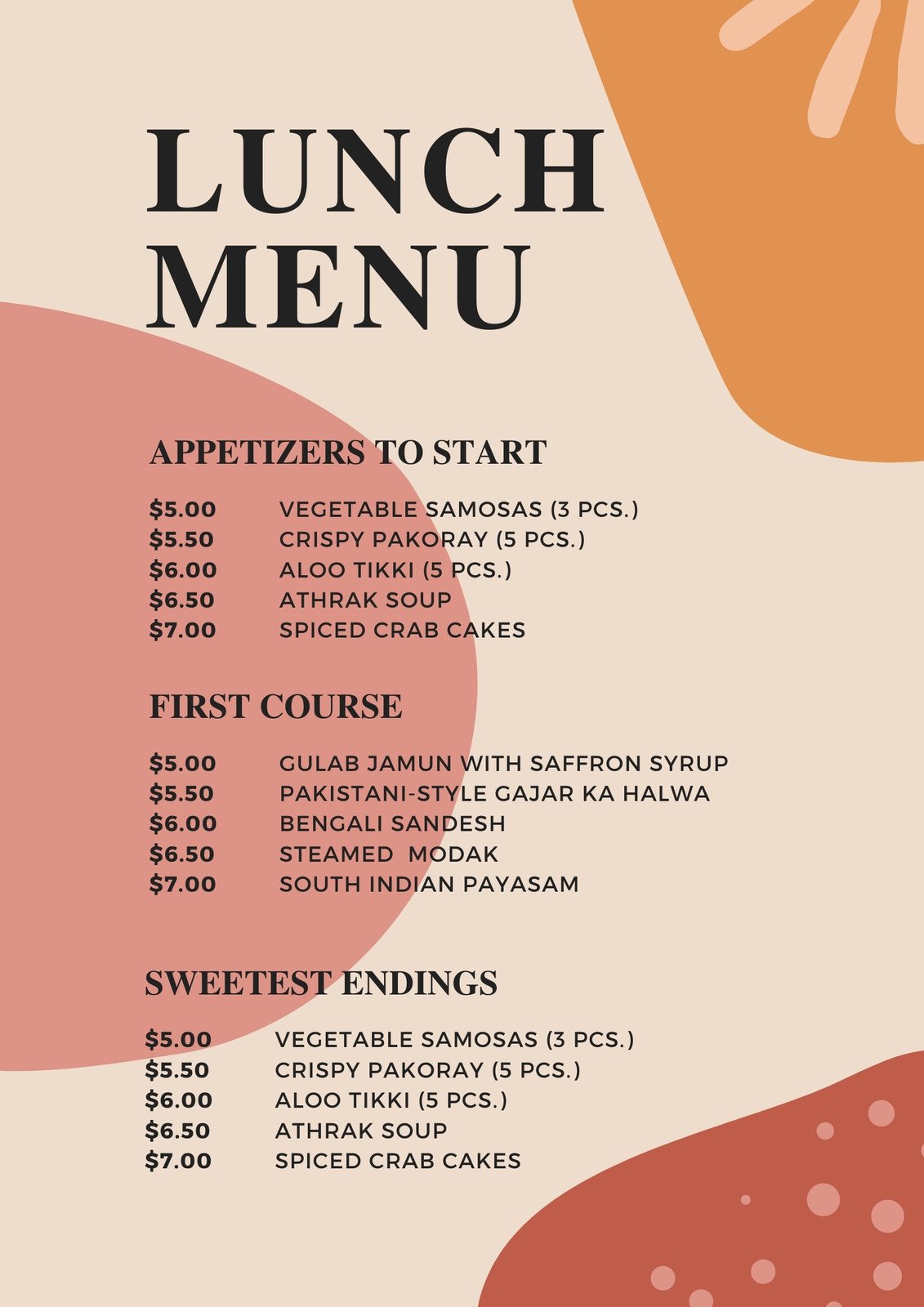
The visual appeal of the school lunch menu is just as important as the nutritional content. A well-designed menu should be easy to read and visually appealing. Using clear fonts, appropriate color schemes, and attractive layouts can enhance the overall experience. Consider incorporating images of fresh, colorful food to entice students. A visually appealing menu can also improve student engagement and encourage them to choose healthy options. Utilizing digital menu platforms can offer interactive features, such as nutritional information and allergen alerts. Ensure the menu is accessible to students with visual impairments.
Conclusion
Creating a successful school lunch menu template is a multifaceted process that requires careful planning, nutritional expertise, and a commitment to student well-being. By focusing on core nutritional components, offering diverse menu items, considering dietary needs, and implementing cost-effective strategies, schools can provide students with nutritious and appealing lunches that contribute to their health, academic success, and overall happiness. The template serves as a foundation for a positive and productive school environment. Ultimately, a thoughtfully designed school lunch menu is an investment in the future of our students. Remember, consistent monitoring and adaptation based on student feedback are key to long-term success. The ongoing refinement of the template, incorporating new research and best practices, is essential for maintaining a high-quality and effective school lunch program. School Lunch Menu Template is a dynamic tool that requires continuous attention and improvement.
0 Response to "School Lunch Menu Template"
Posting Komentar