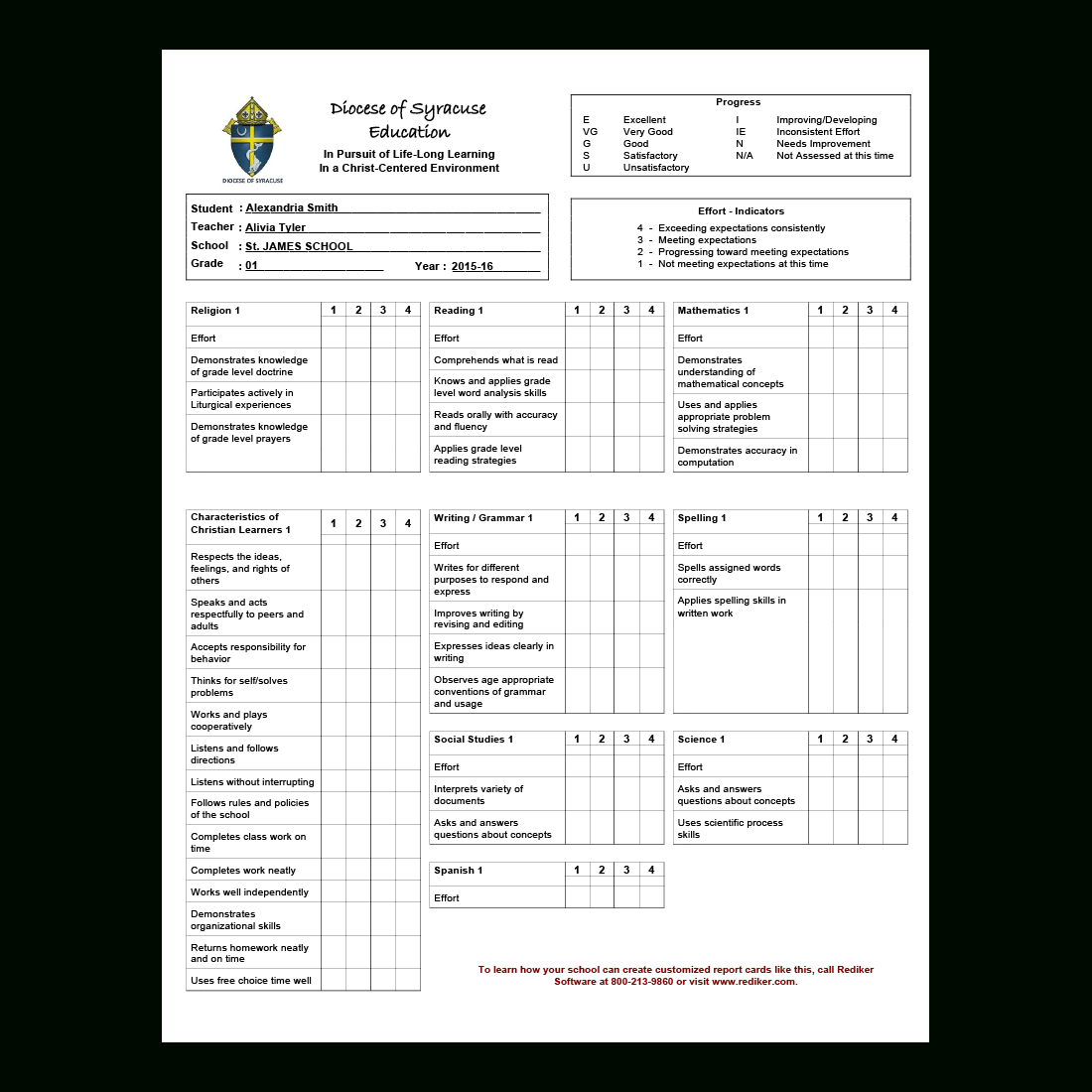
The summer school season is a crucial time for students, offering a chance to deepen their knowledge, explore new interests, and gain valuable experience. Creating a comprehensive and well-organized progress report is essential for demonstrating academic achievement and securing future opportunities. This article will guide you through the process of building a robust template for your summer school reports, ensuring clarity, professionalism, and effective communication with instructors and administrators. Summer School Progress Report Template – a standardized format simplifies the reporting process, allowing for consistent and easily digestible information. It's more than just a document; it's a tool for showcasing your growth and commitment to your studies. Let's dive in.
Understanding the Purpose of a Summer School Progress Report
The primary purpose of a summer school progress report is to provide a concise overview of your learning journey during the summer. It's not simply a recitation of what you've done; it's a demonstration of your understanding, your effort, and your ability to apply new knowledge. Instructors and administrators use these reports to assess your progress, identify areas for improvement, and determine whether you're ready for the next academic year. A well-crafted report demonstrates initiative and a proactive approach to learning. It also provides a valuable record of your accomplishments, which can be helpful for future applications, such as scholarships or internships. Effective communication is key – a clear and well-organized report shows you're serious about your education.
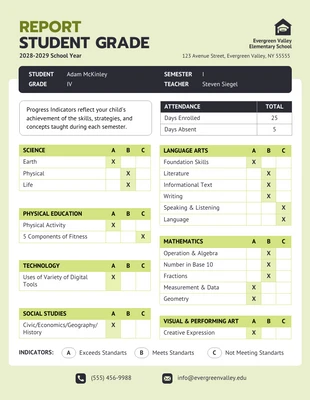
Key Components of a Summer School Progress Report Template
A solid summer school progress report template typically includes the following sections. Each section should be clearly defined and formatted consistently. Remember to tailor the content to your specific program and instructor's expectations.
1. Course Overview & Goals
This section establishes the context for your report. Begin by briefly describing the summer school course you participated in. Clearly state the course objectives and the specific skills or knowledge you aimed to acquire. Mention any relevant prerequisites or background knowledge. For example, "This summer school focused on advanced data analysis techniques, aiming to improve my proficiency in Python programming and statistical modeling." It's important to explicitly state what you were trying to learn. This section sets the stage for the rest of the report.
2. Learning Activities & Participation
Detail the specific activities you engaged in during the summer school. This could include lectures, workshops, group projects, individual assignments, and any other learning experiences. For each activity, provide a brief description of your role and the outcomes you achieved. Quantify your contributions whenever possible. Instead of simply saying "I attended lectures," write "I actively participated in three lectures, contributing to the discussion and taking detailed notes." This demonstrates engagement and a commitment to active learning. Summer School Progress Report Template – this section is vital for demonstrating your active involvement.
3. Key Accomplishments & Skills Developed
This is the core of your report. Highlight your most significant accomplishments and the skills you've gained. Use action verbs to describe your contributions. Instead of saying "I worked on a project," say "I developed a prototype for a mobile application using Java and Firebase, resulting in a 20% improvement in user engagement." Be specific and provide evidence of your skills. Consider including examples of how you applied new knowledge to solve problems or achieve goals. Summer School Progress Report Template – this section showcases your tangible results.
4. Challenges Faced & Solutions
Acknowledging challenges encountered during the summer school is crucial for demonstrating resilience and problem-solving skills. Describe any difficulties you faced, such as technical issues, time constraints, or lack of understanding. Then, explain how you addressed these challenges and what you learned from the experience. This shows self-awareness and a proactive approach to overcoming obstacles. For instance, "I initially struggled with the intricacies of the statistical software package, but I utilized online tutorials and sought assistance from the instructor, ultimately mastering the software within two weeks." Honesty and a willingness to learn are highly valued.
5. Assessment & Feedback Received
Document any assessments you received during the summer school. This could include quizzes, exams, projects, or presentations. Note the scores you achieved and the feedback you received. Analyze the feedback and explain how it informed your learning. For example, "The final exam score of 85% demonstrated a solid understanding of the core concepts, and the instructor provided valuable feedback on my approach to problem-solving, which significantly improved my performance." Understanding how you're progressing is key.
6. Future Goals & Learning Plans
This section outlines your future learning goals and how the summer school experience has influenced your plans for continued academic growth. Discuss any new areas of interest you've explored or any specific skills you'd like to develop. Connect your learning experiences to your long-term career aspirations. For example, "This summer school reinforced my interest in cybersecurity and I plan to pursue a certificate in ethical hacking to further develop my skills." This demonstrates a proactive and forward-thinking approach.
7. Appendix (Optional)
Include any supplementary materials that support your report, such as project files, presentations, or worksheets. This is particularly useful for demonstrating practical skills or research findings.
Conclusion
The summer school progress report template provides a structured framework for documenting your learning journey. By carefully considering each section and providing detailed and accurate information, you can create a compelling report that effectively communicates your achievements and demonstrates your commitment to academic success. Remember to tailor the template to your specific program and instructor's requirements. A well-prepared report not only showcases your growth but also provides valuable insights for future opportunities. Ultimately, a thoughtful and well-documented progress report is a powerful tool for achieving your academic goals. Summer School Progress Report Template – a consistent and thorough approach is the key to success.
Conclusion
The summer school season offers a valuable opportunity for growth and development. By utilizing a structured progress report template and diligently documenting your learning experiences, you can effectively communicate your achievements and demonstrate your readiness for future academic pursuits. The key to a successful report lies in providing clear, concise, and relevant information, showcasing your engagement, and demonstrating a proactive approach to learning. Investing the time to create a polished report will undoubtedly pay dividends in the long run. Continuous reflection and adaptation of your approach based on feedback will further enhance the effectiveness of your reports.
0 Response to "Summer School Progress Report Template"
Posting Komentar